
TL;DR
- The ZORAMI trimmer leads with over 96,000 ratings, and the Wahl Micro Groomsman is the compact pick.
- Trim only the hair you can see at the opening of each nostril.
- Pulling or pinching means dull blades or a weak battery.
- Don't pluck or wax nose hair. Cleveland Clinic links plucking to infection.
- Rinse or brush the head after every use so it keeps cutting cleanly.
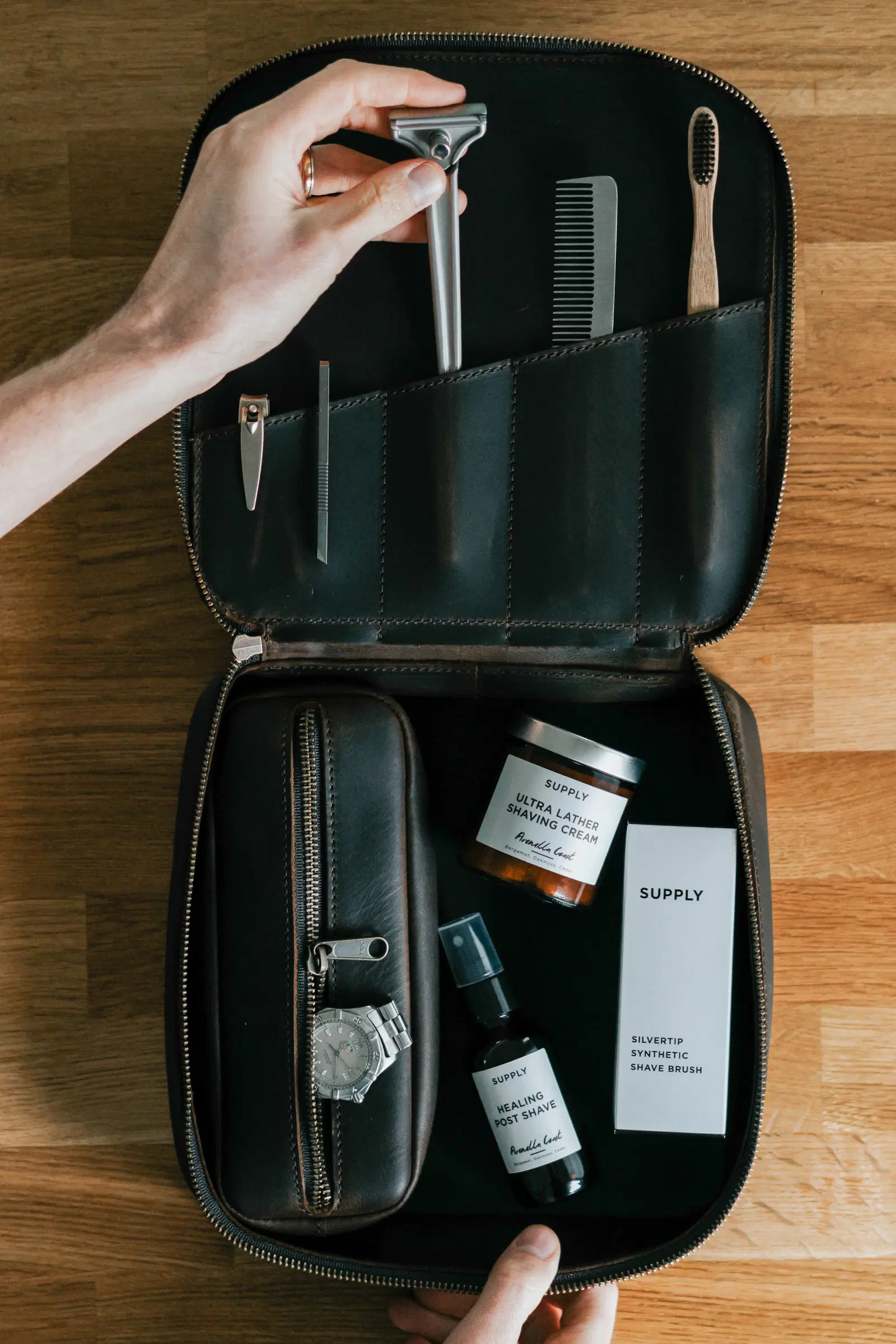
The best nose hair trimmer is one that cuts without pulling. Here are five top-rated picks ranked by Amazon reviews, plus how to trim safely and why you should never pluck nose hair.
Best Nose Hair Trimmer: Our Picks
We ranked these by star rating and number of reviews on Amazon combined:
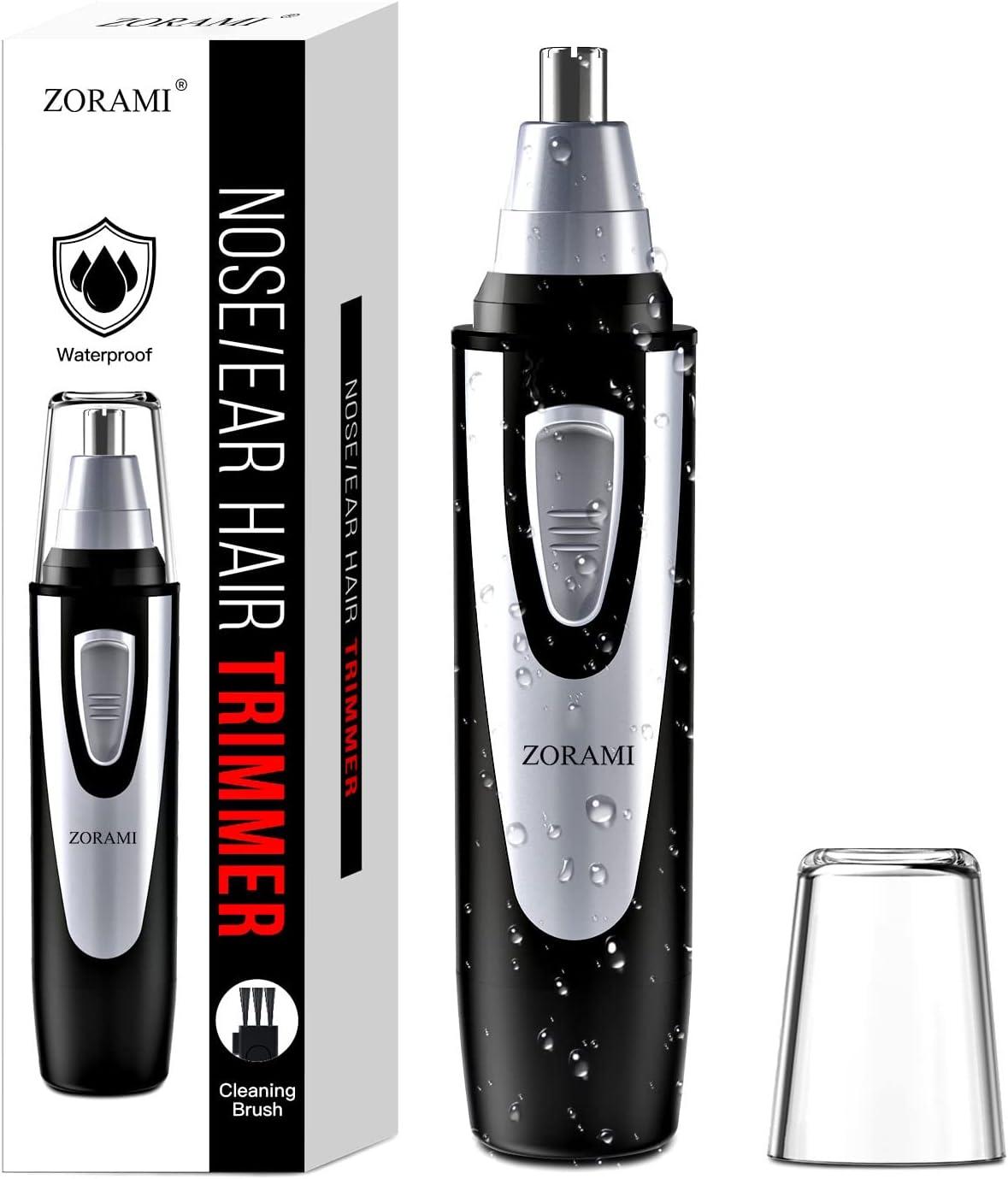
- ZORAMI Ear and Nose Hair Trimmer: over 96,000 ratings, waterproof, with dual-edge blades.
- Wahl Micro Groomsman: over 58,000 ratings, a slim battery trimmer for nose, ears, and brows.
- Philips Norelco Nose Trimmer 5000: nose, ears, eyebrows, and small details.
- Panasonic ER-GN30: wet and dry, with a cleaning system that rinses the blades.
- MANSCAPED Weed Whacker 2.0: an electric nose and ear trimmer from the Lawn Mower brand.
All five run on small rotating or oscillating blades hidden behind a guard. The guard is what keeps them from touching the inside of your nose.
Should You Trim Nose Hair?
Nose hair filters dust and pollen before it reaches your lungs. For long nose hair, Cleveland Clinic points to a small trimmer or rounded-tip scissors instead of pulling it out.
Only trim the hair near the opening of each nostril. There's no need to go deep, and the trimmers on this list are built so they can't.

Photo by Konstantinos Papadopoulos on Unsplash
Cleveland Clinic notes that nose and ear hairs get longer and thicker with age. That's usually when a trimmer goes from occasional to a regular part of the weekly routine.
Signs It's Time to Trim Nose Hair
- Hairs show past the edge of your nostril.
- You notice them in photos or video calls.
- They tickle when you breathe in.
How to Use a Nose Hair Trimmer
- Blow your nose and wash your hands first.
- Stand in bright light at a mirror, and tilt your head back slightly.
- Switch the trimmer on before it goes in.
- Insert only the tip, about a quarter inch, and move it in slow circles.
- Check in the mirror and repeat on the other side.
- Rinse or brush the head when you're done.
Trim once every week or two. Nose hair grows back steadily, and short, regular sessions are quicker than catching up once it's long.
Trimming Before Photos or an Event
Trim the day before instead of that morning. Any redness at the edge of the nostril has time to settle overnight.
Do Nose Hair Trimmers Hurt?
A working nose hair trimmer shouldn't hurt. The blades cut hair as it slips through the guard. Pulling or pinching usually means the blades are dull or the battery is running low.
- Swap the battery if the motor sounds slower than usual.
- Clean the head after every use so hair doesn't jam the blades.
The vibration can make you sneeze the first few times. Pull the trimmer out before you sneeze, then go back in once it passes.
Nose Hair Trimmer Comparison: Nose Only or Full Detail?
Simple nose trimmers do one job well. Detail trimmers come with extra heads or guards for ears, eyebrows, and the neckline, which is useful if you'd rather own one small tool.
Nose Specialist or Detail Kit?
Pick by how many jobs you want it to do.
The Wahl Micro Groomsman sits between the two. It's a compact battery trimmer for nose, ears, and brows, with over 58,000 ratings.
- Waterproof head: lets you rinse it clean under the tap instead of brushing.
- Guard shape: a rounded guard that covers the blades is what keeps the cut inside the nose painless.
- Extra heads: worth it only if you'll use the trimmer on brows or your neckline.
- Power: battery models are easy to travel with and don't need a charger.
Nose Hair Scissors vs a Trimmer
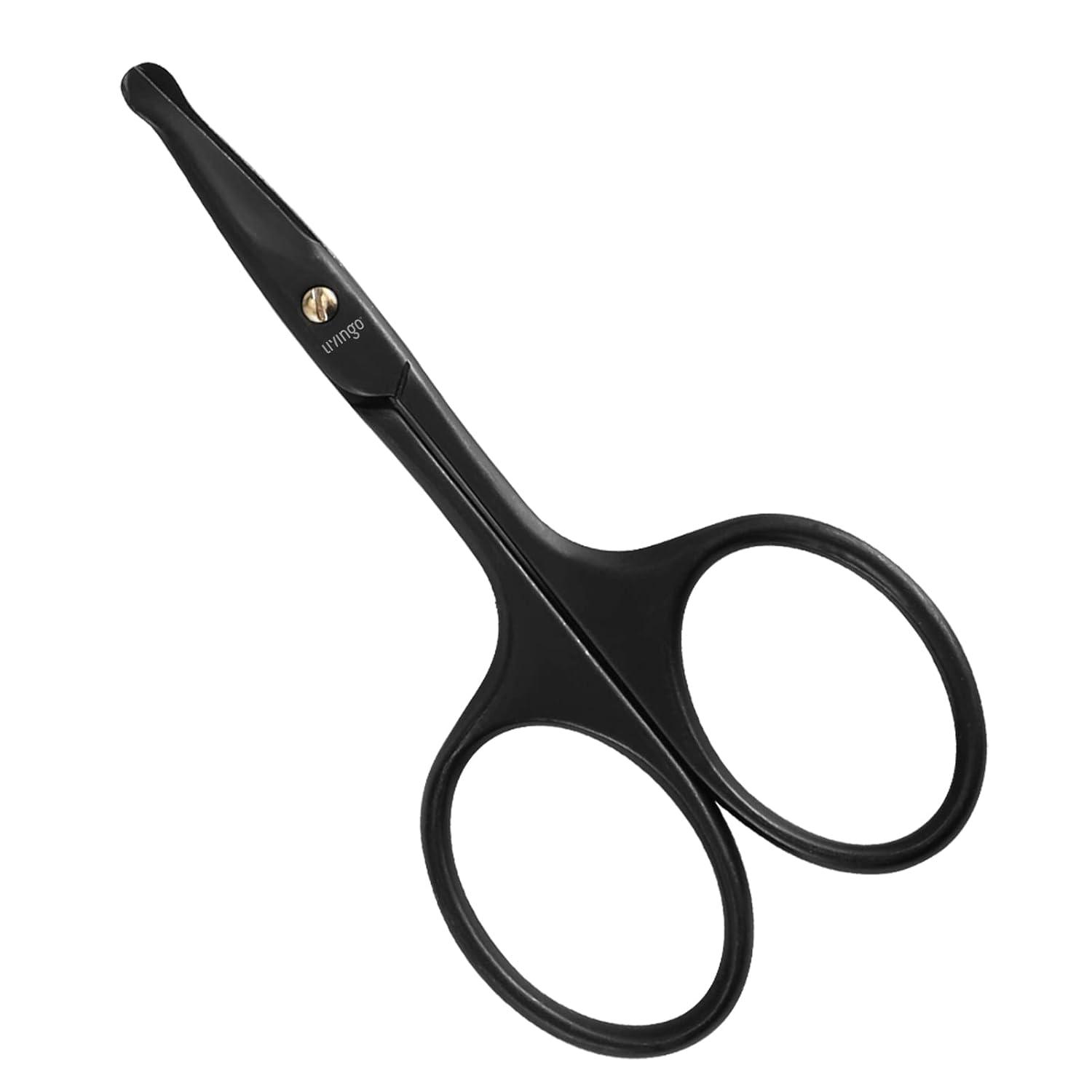
Cleveland Clinic names rounded-tip scissors alongside trimmers as a way to tidy nose hair. They're quiet, need no batteries, and work well for a single long hair you spot on the way out the door.
The LIVINGO curved nose scissors have rounded safety tips and a short curved blade. Never use regular pointed scissors inside your nose.
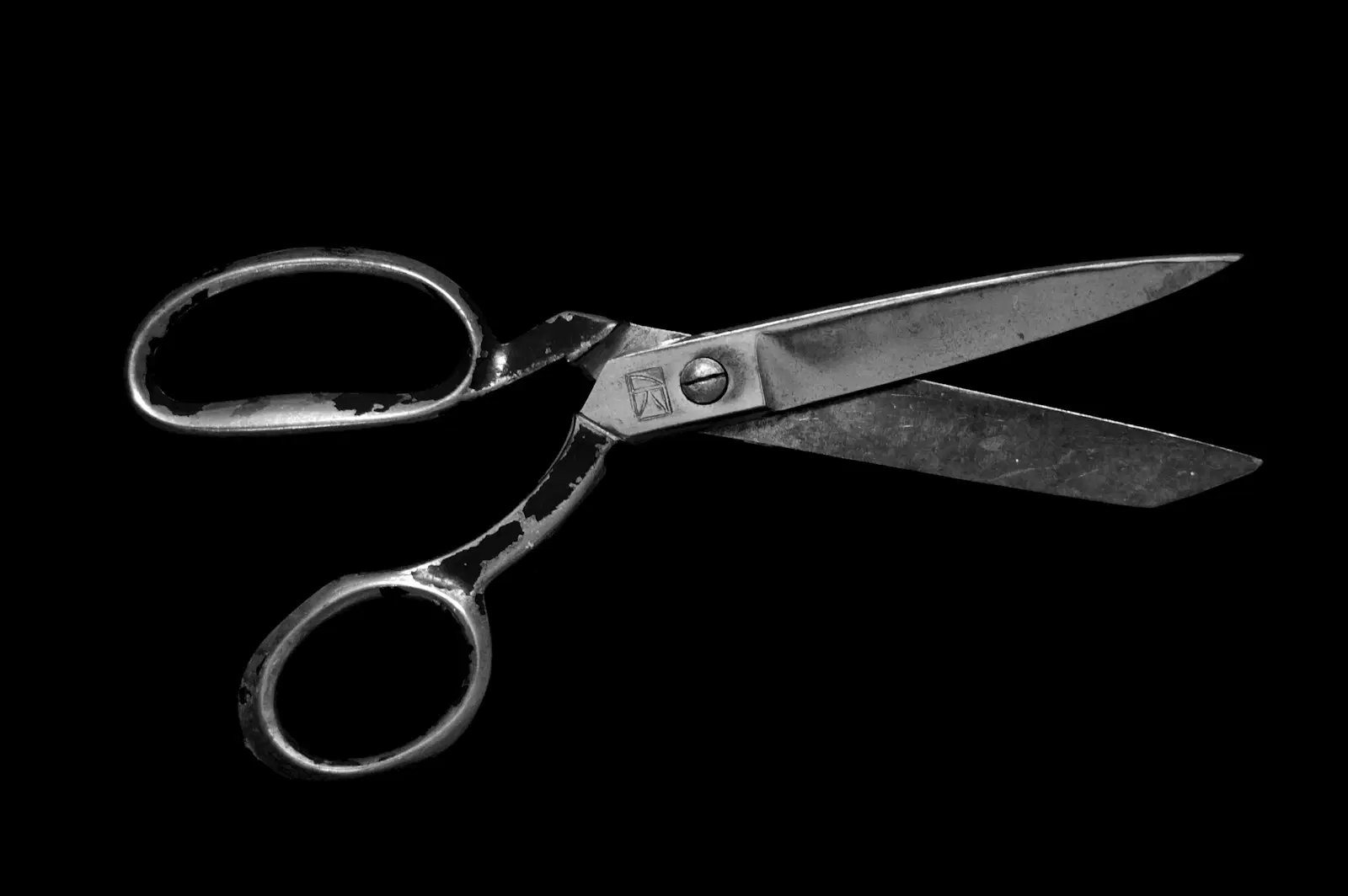
Photo by Matt Artz on Unsplash
Tilt your head back in good light and cut only the part that shows, one hair at a time. Keep the curved tips pointing away from the inside of your nose.
Why You Shouldn't Pluck or Wax Nose Hair
Pulling nose hair out leaves an open follicle in a spot that's full of bacteria. Cleveland Clinic says plucking or waxing nostrils can cause ingrown hairs and infection.
Cleveland Clinic cites a study that found plucking was a main risk factor for nasal vestibulitis, an infection just inside the nostril. Stick to a trimmer or rounded-tip scissors.
Photo by appshunter.io on Unsplash
If the skin inside your nostril gets red, swollen, or crusty after grooming, stop trimming that side and see a doctor if it doesn't clear in a few days.
Using a Nose Hair Trimmer on Ears and Eyebrows
Most nose trimmers also work on ear hair. Trim the hair on the outer ear and at the opening, and never push the trimmer into the ear canal.
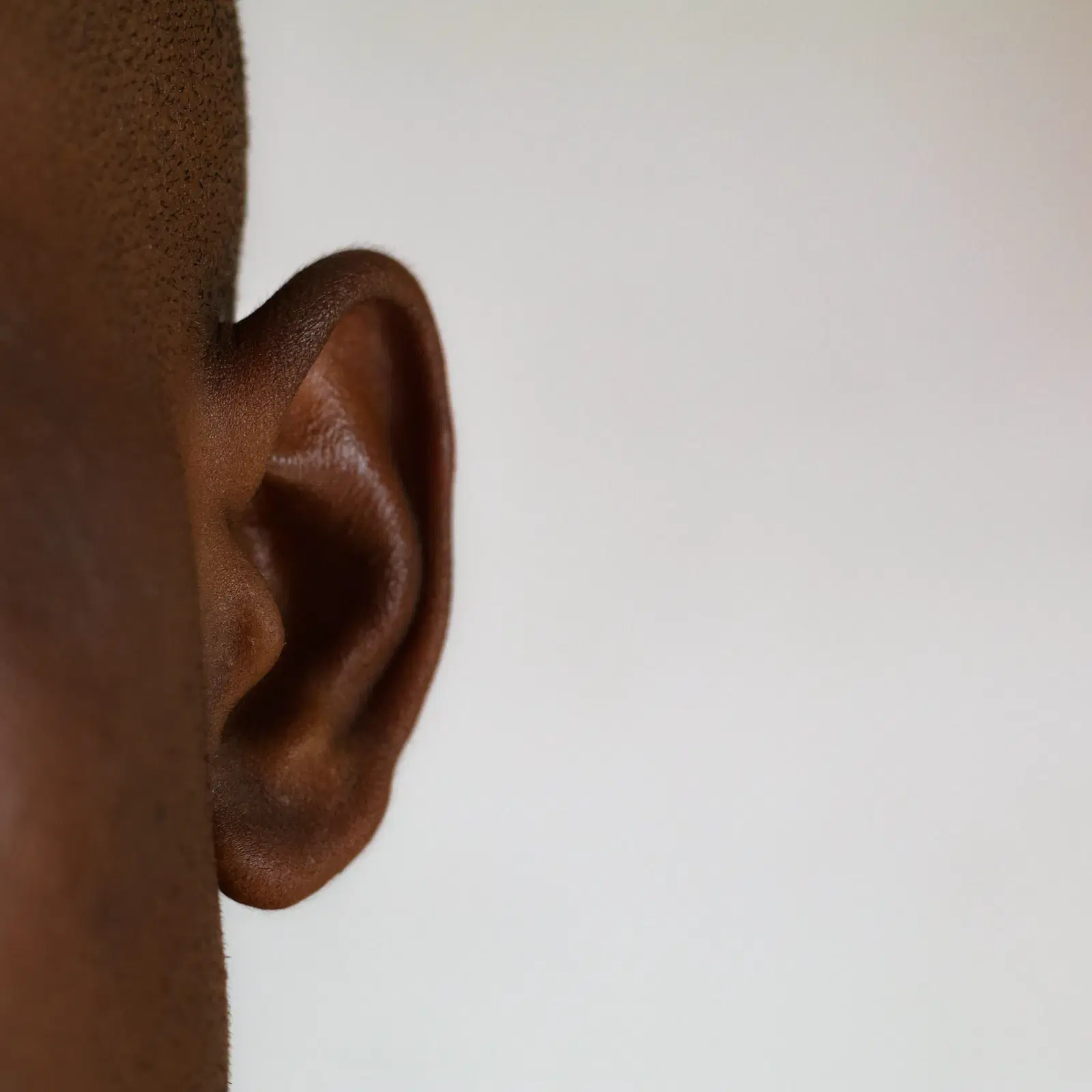
Photo by Dylann Hendricks on Unsplash
For brows, use the trimmer on stray hairs between and above the brows. For shaping, our threading guide and facial hair guide cover tweezers and dermaplaning.
- Ears: run the trimmer along the outer ridge and the edge of the opening, then check both sides in a hand mirror.
- Eyebrows: brush the hairs up, then trim only the tips that reach past the top line of the brow.
- Between the brows: a few short passes with no guard, then check you haven't widened the gap.
Which Trimmer Fits Your Routine?
What do you want to tidy up?
How to Clean a Nose Hair Trimmer
Hair and skin build up inside the head and dull the blades. Waterproof models like the ZORAMI and the wet/dry Panasonic can be rinsed under the tap, which flushes out most of it.
- Rinse the head under warm water if it's waterproof, following the manual.
- Brush out the head with the included brush if it isn't.
- Wipe the guard with a little rubbing alcohol once a week.
- Let it dry with the cap off before you put it away.

Photo by David Trinks on Unsplash
When to Replace a Nose Hair Trimmer
- It pulls or pinches, or the motor sounds weak, even with fresh batteries.
- The guard is cracked or chipped.
Your Detail Grooming Kit
A nose trimmer pairs well with a few other small tools. Together they handle every stray hair on your face in a few minutes a week.
The Detail Grooming Starter Kit
Tick what you already own. The rest is what's missing.
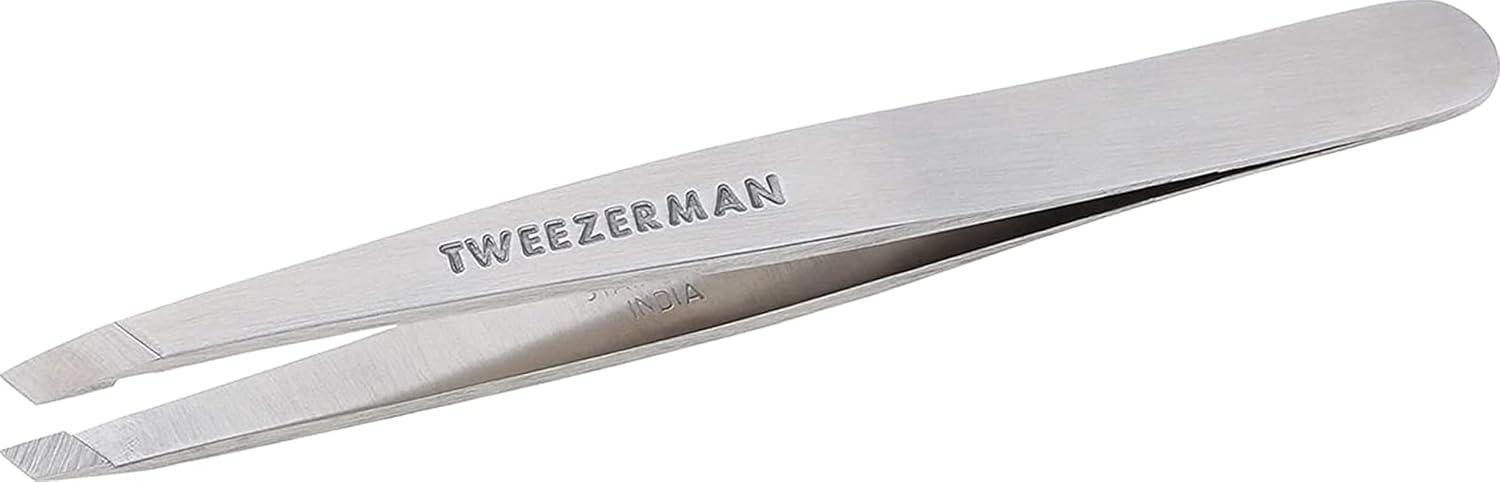
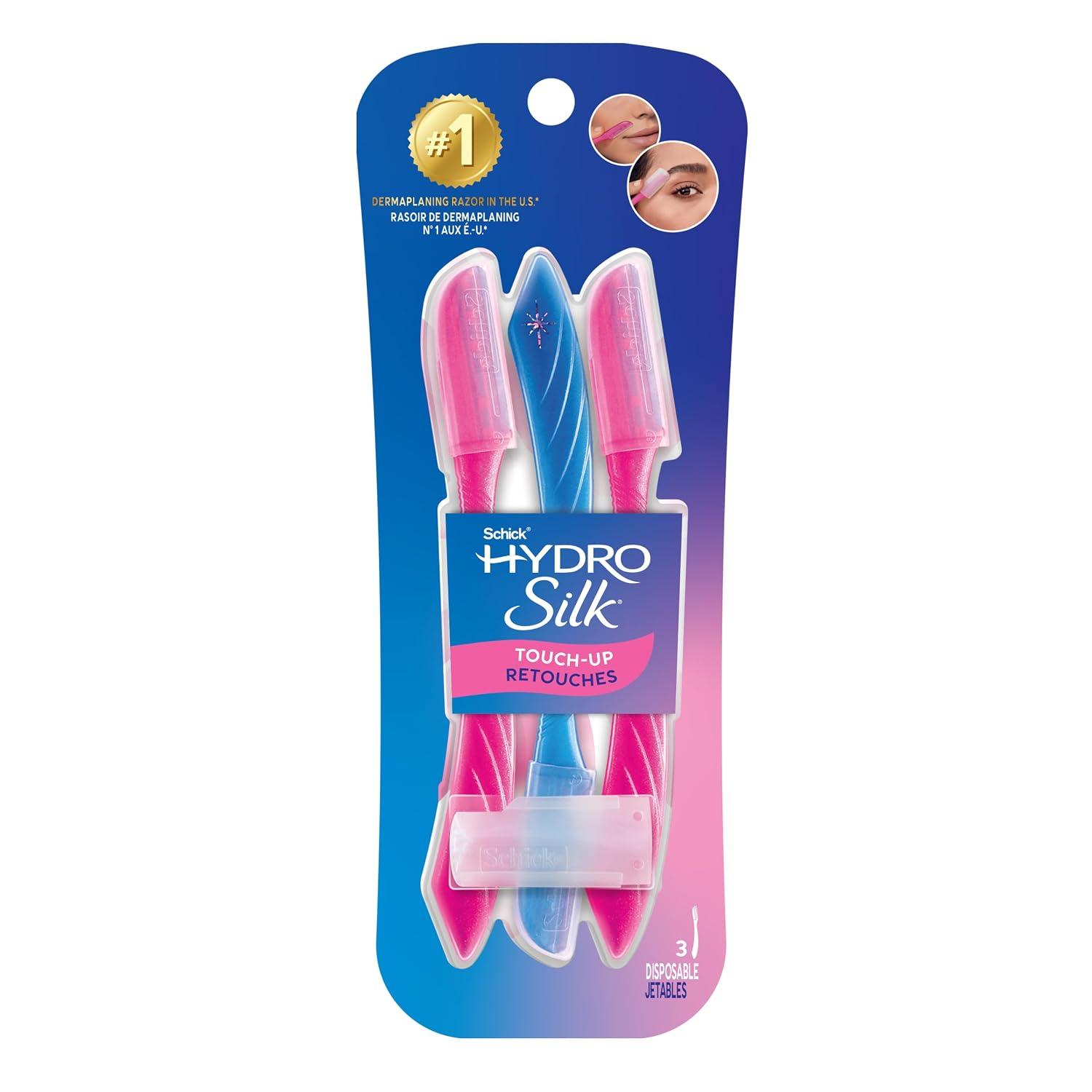
Keep the kit in one small pouch or drawer so the trimmer and scissors stay together. A spare battery in the same spot saves a pulled hair mid-trim.
For the rest of your grooming routine, our body trimmer guide covers trimmers for everything below the neck, and the hair removal guide compares every method.
Frequently Asked Questions
A working trimmer shouldn't hurt. The blades sit behind a guard and cut hair as it slips through. Pulling usually means the blades are dull or the battery is low.
No. Cleveland Clinic recommends a small trimmer or rounded-tip scissors for long nose hair. Plucking or waxing is what risks ingrown hairs and infection.
Yes, most nose trimmers handle ear hair. Trim the outer ear and the edge of the opening, and never push the trimmer into the ear canal.
Every week or two. Nose hair grows back steadily, and short, regular sessions are quicker than catching up once it's long.
Reviewed by Alex Hayward · Last reviewed April 12, 2026
Alex Hayward—7+ years of grooming & skincare editorial experience
How we pick products
- We research dozens of products in every category, reading real customer reviews and ingredient lists.
- Where possible, we test products ourselves or consult skincare professionals for first-hand feedback.
- We prioritize products that are widely available, fairly priced, and well-reviewed by other men with similar goals.
- Affiliate commissions never influence our rankings or recommendations. Our picks stay the same whether or not a product has an affiliate program.
Keep Reading

Best Electric Trimmer For Pubic Hair In 2026
Head-to-head review of the five best electric trimmers built for pubic and bikini hair — honestly tested, clearly ranked.

Best Shaving Cream for the Pubic Area and Private Areas (2026)
The best shaving cream for private areas, for men and women: 5 sensitive-skin picks that cut razor burn and bumps, plus how to shave the area.

Nair For Men Body Cream: Does It Actually Work On Coarse Hair?
Nair for Men review: how the body cream handles coarse male hair, how long to leave it on, side effects to watch for, and how it compares to Veet Men.

Best Body Trimmers For Men 2026: Full-Body, Pubic, And Face
The body trimmers that handle chest, back, legs, and pubic hair in one tool — tested, ranked, and priced honestly.
More where this came from.
Dig into the rest of the library or pick a shelf to see what we've actually tested and liked.