
TL;DR
- 15-minute daily routine: 3 min warm-up + 4 min pitch + 4 min resonance + 4 min read-aloud.
- Target: 160-190 Hz speaking pitch with forward resonance. Androgynous zone starts at 150 Hz.
- Resonance is 70% of what reads as feminine voice — pitch alone produces a thin, tight sound.
- Plateau-jump-plateau is the normal progression pattern. Don't quit on week-3 plateaus.
- Persistent hoarseness or strain: book a speech-language pathologist. One visit fixes what months of YouTube can't.

The 15-minute daily routine that actually moves voices. Warm-up, pitch, resonance, read-aloud — in the order that keeps your throat safe.
What Is Femboy Voice Training?
Voice feminization is the practice of intentionally shifting two qualities in your speaking voice: pitch (the base frequency) and resonance (where the sound vibrates in your face and throat). Done right, it moves voices permanently without damage.
Most AMAB speaking voices rest between 100-120 Hz. The androgynous zone starts around 150 Hz, and cis-feminine speaking voices typically sit at 175-220 Hz. The trainable target for most femboys is 160-190 Hz with forward resonance.

Chart data adapted from voice therapy guidance published by the NCBI on transgender voice feminization.
The 15-Minute Daily Routine
The 15-minute routine below is the standard daily structure voice therapists use with voice-feminization clients. Same sequence every session: gentle warm-up, pitch drills, resonance drills, then an integrated read-aloud.
Your daily routine at a glance
| Segment | Time | Goal |
|---|---|---|
| Warm-up hums + sirens | 3 min | Loosen the vocal folds, no strain |
| Pitch ladder drills | 4 min | Find and hold target pitch (160-180 Hz) |
| Resonance: small-mouth + forward | 4 min | Shift sound from chest to face |
| Read-aloud integration | 4 min | Run pitch + resonance together in prose |
Keep scrolling for the step-by-step of each segment, plus the recording checkpoints that tell you whether you're progressing or straining.
Minutes 1-3: The Warm-Up
The warm-up primes the vocal folds the way a runner primes their calves. Skipping it is the fastest way to strain — and strain is what makes "voice training hurt my throat" posts.
- Gentle humming, comfortable pitch, 30 seconds × 3. Mouth closed, "mmm" for 5 seconds, rest for 2. No reaching for higher or lower — just your easy resting hum.
- Sirens, low-to-high-to-low, 30 seconds × 3. Open "ngggg" (like "sing" without the si), slide gently up your range then back down. Smooth, no jumps.
- Lip trills, 30 seconds × 3. Lips loose, air through — the "motorboat" sound. Moves air + relaxes the face without pitch pressure.
Drink a full glass of water 30 minutes before you train. Voice folds work better lubricated; coffee, alcohol, and dry air all dehydrate them. Five sips during the session itself is also fine.
Minutes 4-7: Pitch Ladder Drills
Pitch drills are where you install the new baseline. The target sits 3-5 semitones above your comfortable speaking pitch, held without throat tension. Falsetto is not the goal and will actually slow progress.

Sit with a piano app or a pitch tracker (Vocular, Voice Tools, or the built-in tuner in any tuning app). Start at middle C (261 Hz as a musical note, often 130 Hz as the "octave below" where male voices live). Step up one semitone at a time.
Drill: hum each step for 5 seconds, then say the word "hello" at that pitch, then drop back to hum. Work your way up to your target pitch (usually 160-180 Hz for femboy voices) and hold for 60 seconds of counting aloud.
Pitch lift should feel like lifting — not squeezing. If you feel throat tension, hoarseness, or "tightness" after the drill, you're using throat muscles instead of letting the folds shorten. Drop back two semitones and practice the lower pitch cleanly before going higher.
Minutes 8-11: Resonance Drills
Resonance is where in your face the sound seems to vibrate. Masculine-coded voices resonate in the chest and lower throat. Feminine-coded voices resonate in the mask of the face — behind the nose and upper cheeks.
Two drills move resonance forward without touching pitch: the small-mouth shift and the forward-focus "mm-ee" drill.
- Small-mouth shift, 90 seconds. Speak a simple sentence ("I'm going to the store") once with your normal open mouth, then again with your lips in a narrower oval, teeth closer. The second version should feel buzzier behind your upper teeth, and that forward buzz is what you're chasing.
- "Mm-ee" drill, 90 seconds. Hum "mm" then open into "ee" — "mm-ee, mm-ee." The "ee" should feel like it's buzzing behind your upper teeth, not in your throat.
- Combined sentences, 60 seconds. Run three simple sentences with small-mouth + forward buzz. Record yourself once for playback at the end.
Our note from a speech-language pathologist: "Resonance is about 70% of what people hear as a 'feminine voice.' Students who chase pitch without resonance end up with a tight, thin voice that reads as strained rather than feminine. The buzz-in-the-face feeling is what you're training toward — once you can find it on cue, the rest is repetition."
Minutes 12-15: The Read-Aloud Integration
Isolated drills install the muscle memory; read-aloud is where you integrate it into actual speech. Pick a short article, blog post, or book chapter you enjoy. Read it out loud at the target pitch + forward resonance for 4 minutes.

Record the last minute. Listen back once. Notice three things: is the pitch holding or drifting back down? Is the resonance forward or slipping to the throat? Does it sound like you, or like you performing someone else?
The first few weeks, the playback will feel awkward. That's normal — you're hearing what your voice actually sounds like through a speaker for the first time. Give it three weeks before judging.
Tracking Progress Week Over Week
Most voice-training quitting happens in weeks 2-4 because the shift feels imperceptible in real time. The fix is documentation — record a 30-second baseline sample once a week, same prompt, same microphone, same time of day.
What's your first-session pitch?
Sit down, open a pitch tracker, say "Hey, how's it going?" at your normal speaking voice. Pick the range that shows up.
Progress typically feels like a plateau for 3 weeks, then a small jump, then another plateau. Don't quit on the plateaus — the jumps are the whole reward.
Common Voice Training Mistakes
- Chasing pitch without resonance. Lifts the voice into a thin, tight falsetto that doesn't read feminine. Resonance does most of the work; pitch is a smaller supporting lever.
- Skipping the warm-up. Cold folds + pitch lift = strain. Always warm up, even on a 5-minute quick session.
- Training through hoarseness. If your voice feels raw, take a rest day. Vocal folds heal in 24-48 hours; pushing through micro-damage compounds into real damage.
- Recording only the "good" takes. Record a fixed weekly baseline even when you think it sounds bad. The comparison is only useful if it's honest.
- Quitting at week 3. This is the week before the first real jump. Three weeks of 15 minutes isn't enough practice to trigger adaptive change; five-to-six weeks is the usual break-through.
If you develop persistent hoarseness, a tight feeling that doesn't resolve with a rest day, or you hit an 8-week plateau without any measurable pitch change — book a session with an SLP who specializes in voice feminization. One 45-minute visit often fixes what months of YouTube can't.
Voice Training Demos: Watch Before You Practice
Voice work is ear-trained. Reading about the small-mouth shift gets you maybe 20% of the way there; hearing someone do it live is what teaches your brain to reproduce it.
Close your eyes on the second listen. Notice when the sound moves forward into the face and when it slides back into the throat. That contrast is the whole skill.
The Voice Training Starter Kit
The physical kit is short. Most of voice training is drills and patience — not purchases. But three items genuinely help.
Your Voice Training Kit
The minimum gear for feedback-loop training. Tick what you already have.
- Amazon
USB microphone for recording
Any entry condenser mic works — clean playback beats phone speaker
- Amazon
Hydrating moisturizer (lip + face)
Dry lips tank forward-resonance drills; keep them soft
- Amazon
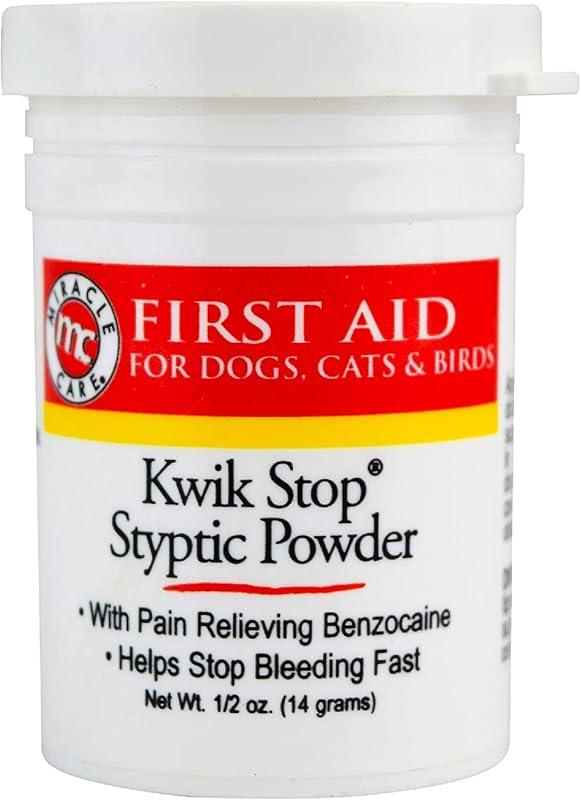
Styptic powder (first-aid kit)
Unrelated to voice — standard femboy grooming kit backup
- Amazon
Thigh-high socks
Morale item — dressing for the drill helps most people stick with it



Christella VoiceUp, TransVoiceLessons on YouTube, and the American Speech-Language-Hearing Association all publish free training material worth bookmarking alongside the daily routine.
Progress Over Perfection
Voice training rewards frequency, not duration. Fifteen minutes daily for eight weeks moves voices farther than two-hour weekend sessions that skip weekdays. Short, frequent, and consistent is the pattern that works.
Once voice feels comfortable, the other feminine-presentation cues reinforce it. Our how to become more feminine guide covers posture, gait, and gesture in the same format. And for the full-spectrum map of femboy identity work, the femboy starter guide puts voice in context next to the other pillars.
Fifteen minutes, tomorrow, same time. Stack enough tomorrows and the shift locks in. <3
Frequently Asked Questions
Real pitch lift comes from shortening the vocal folds, not squeezing the throat. Start with lip trills and hums for 3 minutes, then slide up a piano scale semitone by semitone — stopping before any tension. Hold your target pitch in humming for 5 seconds at a time, then graduate to one-word speech. If it feels tight, drop two semitones and retrain the lower pitch cleanly first.
Yes — measurably and repeatably — when practiced 15 minutes daily for at least 6-8 weeks. Voice feminization is a well-documented speech-therapy discipline with peer-reviewed outcomes. Most femboys see the first measurable pitch shift in weeks 3-5 and meaningful resonance change by week 8. Long-term, the voice stays where you train it — with occasional practice to maintain.
Only if you force it. Training through strain, hoarseness, or throat pain causes micro-damage that compounds. The warm-up, the "drop two semitones if it hurts" rule, and the rest-day-when-sore rule exist to prevent this. If you develop persistent hoarseness that doesn't resolve in 24-48 hours, stop training and book a speech-language pathologist.
First measurable pitch shift: 3-5 weeks of daily practice. Resonance shift noticeable to others: 6-8 weeks. Voice that passes on the phone to strangers: usually 3-6 months for most femboys. Faster progress is possible with professional coaching; slower is also common and not a failure.
Reviewed by Alex Hayward · Last reviewed April 12, 2026
Alex Hayward—7+ years of grooming & skincare editorial experience
How we pick products
- We research dozens of products in every category, reading real customer reviews and ingredient lists.
- Where possible, we test products ourselves or consult skincare professionals for first-hand feedback.
- We prioritize products that are widely available, fairly priced, and well-reviewed by other men with similar goals.
- Affiliate commissions never influence our rankings or recommendations. Our picks stay the same whether or not a product has an affiliate program.
Keep Reading

How To Become A Femboy: A Step-By-Step Starter Guide
A respectful starter guide to femboy style, body care, posture, and wardrobe basics — all the pillars in one roadmap.

How To Become More Feminine: Voice, Body Language, And Style
Voice pitch, posture, gait, and wardrobe shifts that read as more feminine, quickly — practical techniques that stick.

What Are Those Femboy Shorts Actually Called? (And Where To Buy Them)
The real name of "femboy shorts" plus the best places to buy them in 2026 — style, fit, and price tiers compared.

What Is A Femboy? The Definitive 2026 Explainer
The clear, inclusive answer to "what is a femboy?" with identity, style, and culture context — a calm, accurate explainer.
More where this came from.
Dig into the rest of the library or pick a shelf to see what we've actually tested and liked.