
TL;DR
- Use a dedicated body trimmer with adjustable guard lengths
- Work top-down: chest, stomach, arms, legs, sensitive areas last
- 3mm guard for a natural look, 1mm for close-cropped, no guard for smooth
- Whole routine takes 15 minutes once you know your preferred lengths

Sunday night. You're staring at the shower, putting off the whole shave routine again.
The Sunday Night Bathroom Dread
Your legs are prickly. Stubble catches on your clothes. You've been avoiding this since Thursday because the wet-shave routine takes an hour and leaves you nicked up.
So you skip it. You promise yourself tomorrow. Maybe Tuesday.
The full wet shave is overkill for regular maintenance. You're treating a Tuesday problem with a Sunday solution — which is why Sunday keeps feeling impossible.
What if you could stay consistently smooth in 15 minutes, twice a week? No razor burn, no ingrowns, no half-evening in the bathroom.
The answer isn't a better razor. It's skipping the razor entirely for regular maintenance.
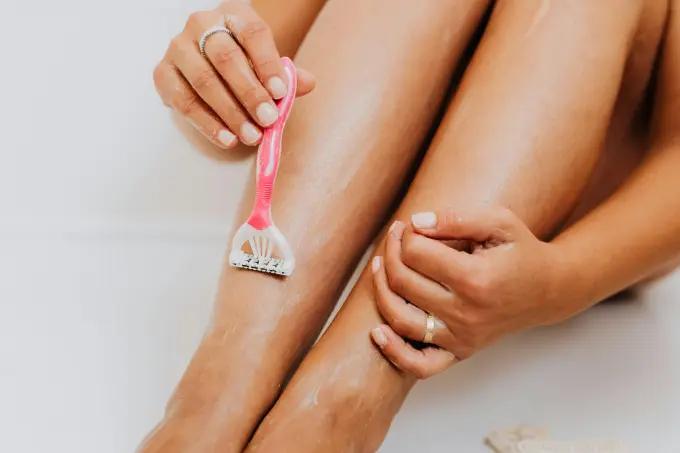
Electric trimmers have come a long way. The right body trimmer, used with the right technique, keeps you smooth without any of the downsides of constant wet shaving. Looking for a starting point, this quality body grooming trimmer is the easy pick.
Why Trimming Beats Shaving for Regular Maintenance
Let's be real about what wet shaving does to your skin. Every razor stroke doesn't just cut hair — it scrapes off the top layer of skin cells.
That's why your legs feel soft right after. You've exfoliated and removed hair in one pass. It comes with costs.
What shaving costs you
- Razor burn. Red bumps hours later in sensitive zones — your skin is irritated from having its protective layer stripped.
- Ingrown hairs. Hair cut below the skin line sometimes curls back and grows into the skin instead of out.
- The 48-hour problem. Shave Sunday, prickly by Tuesday. Regrowth has a sharp cut edge that feels like sandpaper against fabric.
A pre-trimming oil helps cut drag if you trim dry. A set of exfoliating gloves replaces the exfoliation half of wet shaving in under a minute.
What trimming does differently
A good electric trimmer cuts hair just above the skin — close enough to look smooth, far enough that you're not damaging the barrier. Regrowth has a natural tapered end, not a blunt cut.
Because you're not irritating skin, you can trim more often. Twice a week becomes sustainable. You stay maintained instead of cycling between just-shaved and needs-shaving.
| Method | Time | Recovery |
|---|---|---|
| Full wet shave | 45-60 min, 1-2x/week | Significant skin recovery |
| Quick trim routine | 12-15 min, 2x/week | Zero recovery time |
That's potentially hours of your month back. Hours you can spend on anything else.
The 2-Minute Prep That Makes Everything Easier
Pick one method per area and stick with it. Alternating between a razor and a trimmer on the same patch of skin irritates hair follicles and causes bumps.
You don't need a full pre-shave ritual for trimming. A tiny bit of prep makes a real difference though.
- Quick rinse. 60 seconds in a warm shower. Warm, slightly damp skin softens the hair and helps it stand up straight.
- Towel off partway. Skin dry enough for the trimmer to glide, not bone dry. A quick pat works.
- Optional body powder. A light dusting helps the trimmer glide and reduces pulling. Skip if you're in a hurry.
That's the whole prep. Two minutes. No scrubs, no creams, no waiting for products to soak in.
A set of adjustable guard attachments helps you swap length between zones in seconds. Morning trim before work? Do it while your coffee brews.
Trimmer Settings by Body Zone
Not every body part needs the same setting. Legs handle a closer trim than inner thighs. Chest has different needs than back.
- Legs (calves, thighs)1-2mm
- Butt / upper thighs2-3mm
- Chest / stomach1-2mm (smooth) or 3-4mm (natural)
- Arms / underarms2-4mm
- Intimate areas3mm minimum
Legs (Calves and Thighs)
This is where you can go shortest. Use the 1-2mm setting — close enough to look smooth in shorts, long enough that regrowth feels soft.
Legs are forgiving. Flat skin, good visibility, hair that grows in consistent directions. Start here to build confidence before moving to trickier areas.

For the soothing pass afterward, a sensitive-skin aftershave balm slots in nicely.
Butt and Upper Thighs
Go slightly longer: 2-3mm. Skin is more sensitive here, curves are harder to navigate, and you can't see the full area.
A 3mm guard keeps things neat without the razor-burn-between-cheeks problem. Short guards here are the fastest route to chafing and ingrowns.
Chest and Stomach
This is personal preference. 1-2mm reads as fully smooth. 3-4mm keeps visible but controlled hair.
The area around your nipples needs extra care. Go slow, stretch the skin slightly, don't press. Most trimmer accidents happen here because people rush.
Arms and Underarms
Arms are preference — many people don't trim them at all. If you do, 3-4mm looks natural while reducing bulk.
Underarms are different. Hair is coarser and grows in multiple directions. 2-3mm works, but go slowly and make passes from different angles.
Intimate Areas
3mm minimum. Seriously. Skin there is thin and sensitive. Going shorter leads to itching and irritation that will make you regret every step.
Use a trimmer designed for sensitive areas or switch to a sensitive guard. A quality body groomer should come with multiple attachments for this exact reason.
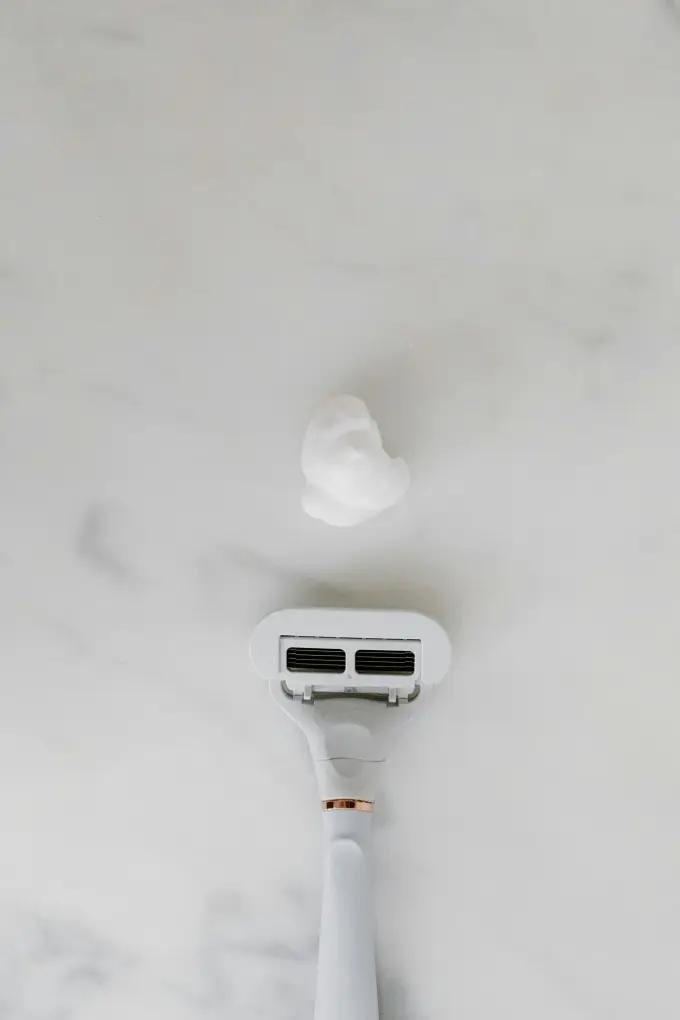
The Exact Order for Maximum Efficiency
Order matters more than you'd think. The right sequence means less cleanup, less switching between settings, and a faster overall routine.
- Legs first. Calves then thighs — biggest surface, most straightforward, done in 5-6 minutes while you're fresh. Long smooth strokes against the grain, don't press.
- Butt and back of thighs. Switch to a longer guard. Use a handheld mirror or develop a feel for it. Overlapping passes beat rushing.
- Chest and stomach. Adjust guard to preference. Work center-outward on the chest, top-to-bottom on the stomach. Belly-button area puckers and hides spots.
- Touch-ups and detail work. Catch anything you missed. Arms, underarms, spots where hair direction changes.
- Cleanup. Quick shower or rinse to clear loose hairs. Light moisturizer is optional since you haven't irritated the skin.
A dedicated trimmer cleaning brush keeps hair out of the blade between zones. A waterproof shower trimmer is handy for finishing detail work under running water.
Full-body trim in this order runs 12-15 minutes. First-timers might hit 18-20. After a few rounds the whole thing settles at 12.
The Weekly Schedule That Keeps You Consistently Smooth
Here's where the trim-and-go lifestyle earns its name. Wet shaving lets most people shave 2-3 times a week max before skin rebels.
That means you're always somewhere between "just shaved" and "getting stubbly." Trimming has no recovery cost, so you can maintain more often.
- Sunday evening: full trim routine (all zones, 15 minutes)
- Wednesday or Thursday: maintenance trim (legs and visible areas only, 8-10 minutes)
Around 25 minutes per week total. You never hit the prickly mid-week feeling again.
A pass of anti-chafing body powder before a mid-week workout keeps things fresh between trims.
Monday/Friday works too. Consistency matters more than the specific days. For a date night or beach day, do a quick touch-up the day before — no penalty for going more often.
**A post-trim body moisturizer** on the nights you trim seals in the result.
Adjusting for Hair Growth Speed
Hair grows at different rates. If twice weekly isn't enough, bump to three. If it's overkill, every 4-5 days might be your pace.
Pay attention to how you feel and look three days after trimming. Still smooth? Your schedule works. Scratchy already? Trim more often.
A trimmer that tugs or pushes hair instead of cutting it will make you think you need to trim more often. Keep a stash of replacement trimmer blades so performance never drops.
The flexibility is the point. You're not locked into a rigid schedule that punishes you for skipping a day.
Trim and Go vs. The Shaving Ritual
Let's be honest about what you're giving up and what you're gaining.
What trimming won't give you
The baby-smooth, hairless finish of a fresh wet shave. Trimming leaves hair at 1-3mm. Looks smooth, has a slight texture if someone runs a hand against the grain.
For clothes, casual touch, and normal viewing distance, it reads identical to shaved. Someone running a hand up your leg closely will feel a subtle fuzz. Some people care. Most don't.
What trimming gives you
- Zero razor burn, ever
- No ingrown hairs
- No nicks or cuts
- Consistent smoothness instead of the shaved-to-stubbly cycle
- Less time on maintenance
- No expensive razor cartridges
- The option to maintain more often without skin damage
For everyday maintenance, the trade-off works for most people. A hybrid approach works too — trimmer for regular upkeep, razor for special occasions.

SatinShave Essential Electric Cordless HP6306
A dedicated body groomer with adjustable guards beats any beard trimmer for full-body use. Skin-safe heads, larger cutting surface, and battery life sized for a whole routine.
The key is a reliable body trimmer you enjoy using. If yours is cheap, pulls hair, or takes forever to charge, you'll dread the routine.
Making the Switch
If you're a devoted wet shaver, the switch to a trim-focused routine takes about two weeks.
- Week one: do your normal shave, then wait 3-4 days. Instead of the razor, reach for the trimmer on its shortest setting. Faster, no irritation, looks nearly as smooth.
- Week two: trim twice, skip the razor entirely. Pay attention to how your skin feels. Most people notice fewer bumps and less redness.
- Week three: you'll have your rhythm. You'll know which settings work where, how long the routine takes, and how often you maintain.
The hardest part is the mental shift. We've been taught that smooth equals shaved. It takes a minute to accept that trimmed looks just as good with way less hassle.
Ready to try? Grab a quality body groomer and give it two weeks. That's the window to know if the trim-and-go lifestyle works for you.
Related Posts
For the post-trim aftercare that actually prevents bumps, see our post-shave skincare routine. For the full tour of every hair-removal option, our hair removal guide covers shaving, waxing, cream, IPL, and salon laser side by side.
Frequently Asked Questions
For most people, yes. Trimming is faster, causes zero razor burn, and the results look natural. Shaving gives a smoother finish, but trimming is the better everyday option.
3mm looks natural and tidy. 1mm gives a close-cropped look. No guard gives near-smooth results. Start longer and go shorter until you find what you like.
You can, but body trimmers are designed for larger areas with skin-safe guards. Beard trimmers are smaller and slower for body use. Get a dedicated body groomer if you trim regularly.
Every 1-2 weeks for maintenance, depending on how fast your hair grows. Trimming is gentle enough that you can do it more frequently without irritation.
Reviewed by Alex Hayward · Last reviewed April 12, 2026
Alex Hayward—7+ years of grooming & skincare editorial experience
How we pick products
- We research dozens of products in every category, reading real customer reviews and ingredient lists.
- Where possible, we test products ourselves or consult skincare professionals for first-hand feedback.
- We prioritize products that are widely available, fairly priced, and well-reviewed by other men with similar goals.
- Affiliate commissions never influence our rankings or recommendations. Our picks stay the same whether or not a product has an affiliate program.
Keep Reading
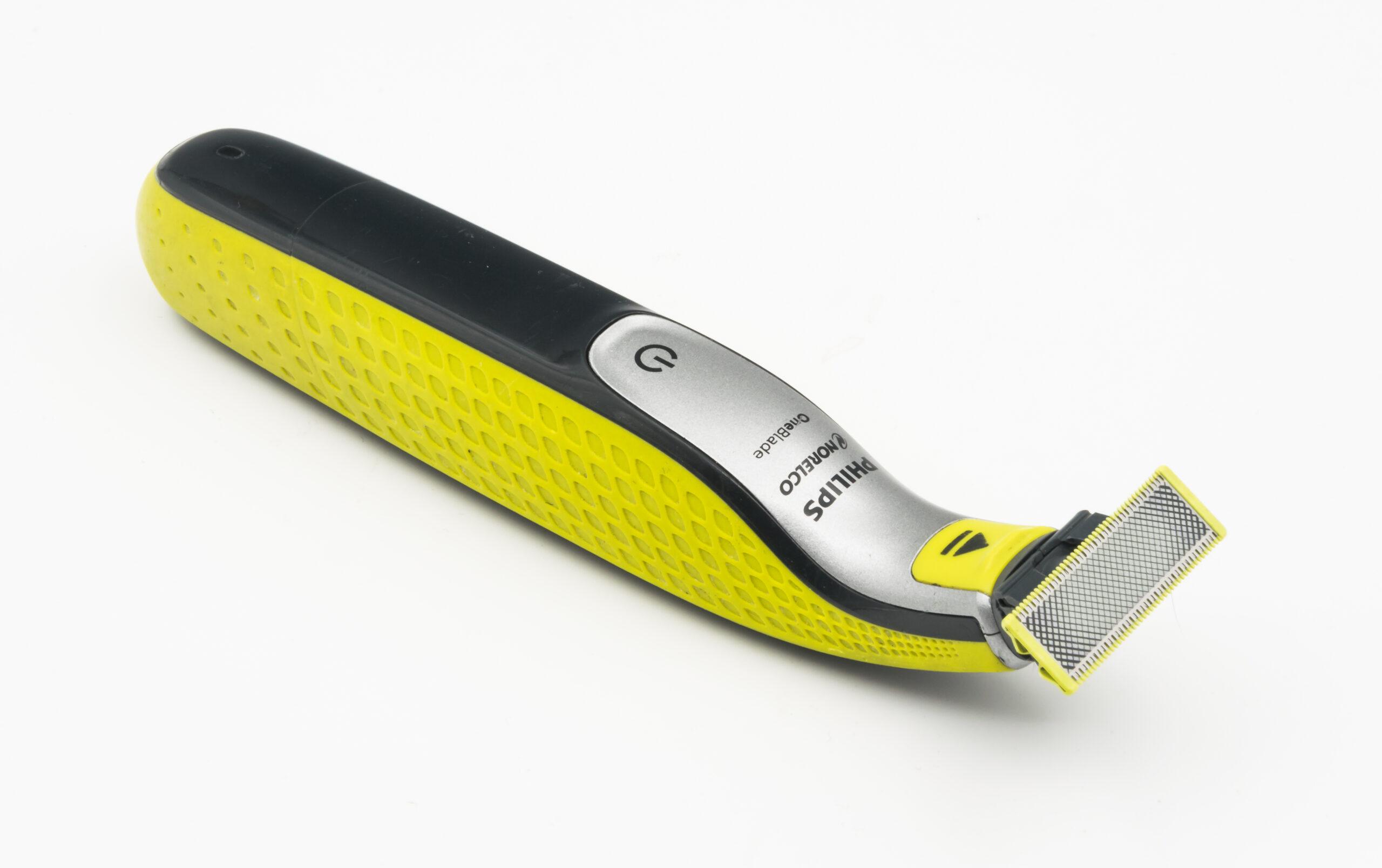
Philips Norelco OneBlade & OneBlade Intimate: Full Review
Hands-on review of the Philips Norelco OneBlade and the new OneBlade Intimate. Covers performance, battery life, and best use cases.
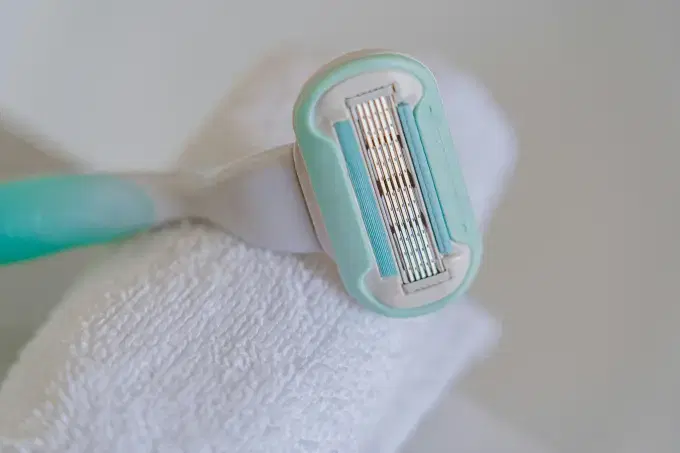
Gillette Venus for Men: Why This Women's Razor Works Better
The Gillette Venus razor is one of the best body shavers for men. Find out why its moisture bars and pivoting head beat most men's razors.

Peach-Fuzz Mustache: The Safest Ways To Remove It
Dermaplaning, threading, and creams compared for removing peach-fuzz mustache hair — with the safest method for sensitive upper-lip skin.

How to Shave Your Butt Safely: A No-Nonsense Guide
Step-by-step guide to shaving your butt safely with zero irritation. Covers prep, technique, razors, and aftercare for smooth results.
More where this came from.
Dig into the rest of the library or pick a shelf to see what we've actually tested and liked.