
TL;DR
- Trim long hair first with a body trimmer before picking up a razor
- Use a fresh multi-blade razor and thick shaving cream — never dry shave
- Shave with the grain to avoid ingrown hairs and razor bumps
- Apply fragrance-free moisturizer or aloe gel immediately after

One frequent (but rarely talked about) challenge: how to shave your rear without bumps, cuts, or prickly regrowth.
This guide walks through the tools, the technique, and the aftercare. Faster shaves, closer results, fewer blemishes.
The Right Tools for the Job
Different hair-removal methods have different strengths back there. Knowing which works for you takes a little experimentation.

Below are the common methods — razors, trimmers, and depilatory creams — with the pros and cons of each.
Using Razors
A razor is the most common tool for shaving your bum. Go figure.
There are a couple of bases to cover. First: use a quality razor, not the disposable rusting at the bottom of the shower caddy.
Never shave the butt without water and thick shaving cream. The skin folds and pulls in ways that make dry shaving guaranteed nicks — not theoretical, actual.
Picking the right razor
When picking a razor, consider a women's razor designed for the bikini area. The head shape handles curves better than a standard face razor.
- Razors that apply aloe to the skin as you shave — great for sensitive areas
- Spaced-blade razors — fewer blades, less irritation
- Aloe razors in a close-shave variant — for when you want it really smooth
Don't use the same razor forever
Another big tip: don't use dull razors. Plenty of people keep one razor specifically for the butt and never swap it out because swapping is annoying.
Dull blades are where ingrowns and razor burn come from. If the blade pulls at hair or feels rough against the skin, replace it.
It's All About Technique
For the best results, rinse the razor after every stroke. This keeps the blade sharp and reduces post-shave blemishes.
Note the direction of hair growth back there and follow the grain on the first pass.
Shave with the grain first, then against the grain with minimal pressure. Don't apply heavy pressure, and don't go over the same area more than twice — especially with a multi-blade razor.
Selecting the Right Shaving Cream
There are **specialty shaving creams and gels for sensitive skin** that work well on the butt and bikini area.
Some of these creams also soften hair and lubricate the skin if you let them sit for a minute or two before you shave.
Using Trimmers
If razors aren't working for you, look into a quality body trimmer. Modern trimmers cut very close to the skin and most can be used in the shower.
Trimmer heads last a long time and tend to give you the quickest available shave back there. No shaving cream required.
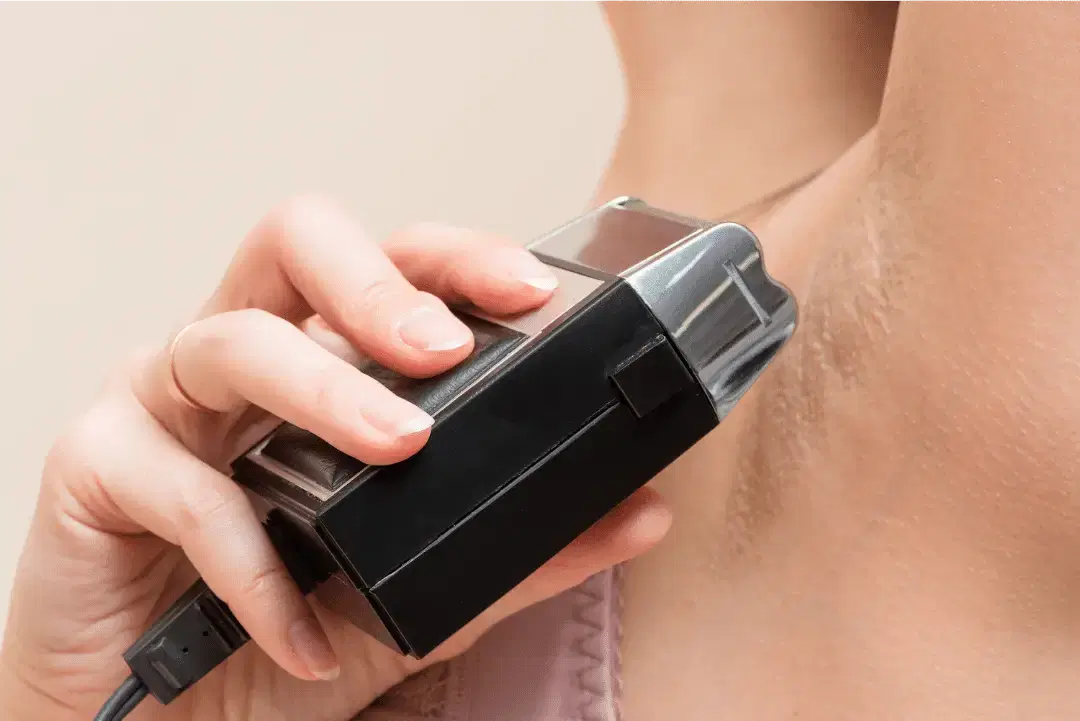
Most people who keep their legs, butt, and armpits hair-free on a routine basis end up falling in love with a trimmer. It's the fastest maintenance tool in the kit.
Trimmer picks worth looking at
- Philips Norelco OneBlade 360 Face — compact, skin-friendly pivoting head
- OLOV Bikini Trimmer for Women — built for sensitive-area contours
- PHILIPS Beauty SatinShave Essential Women's Wet & Dry Electric Shaver
- Panasonic Close Curves Electric Shaver for Women — hugs curves well
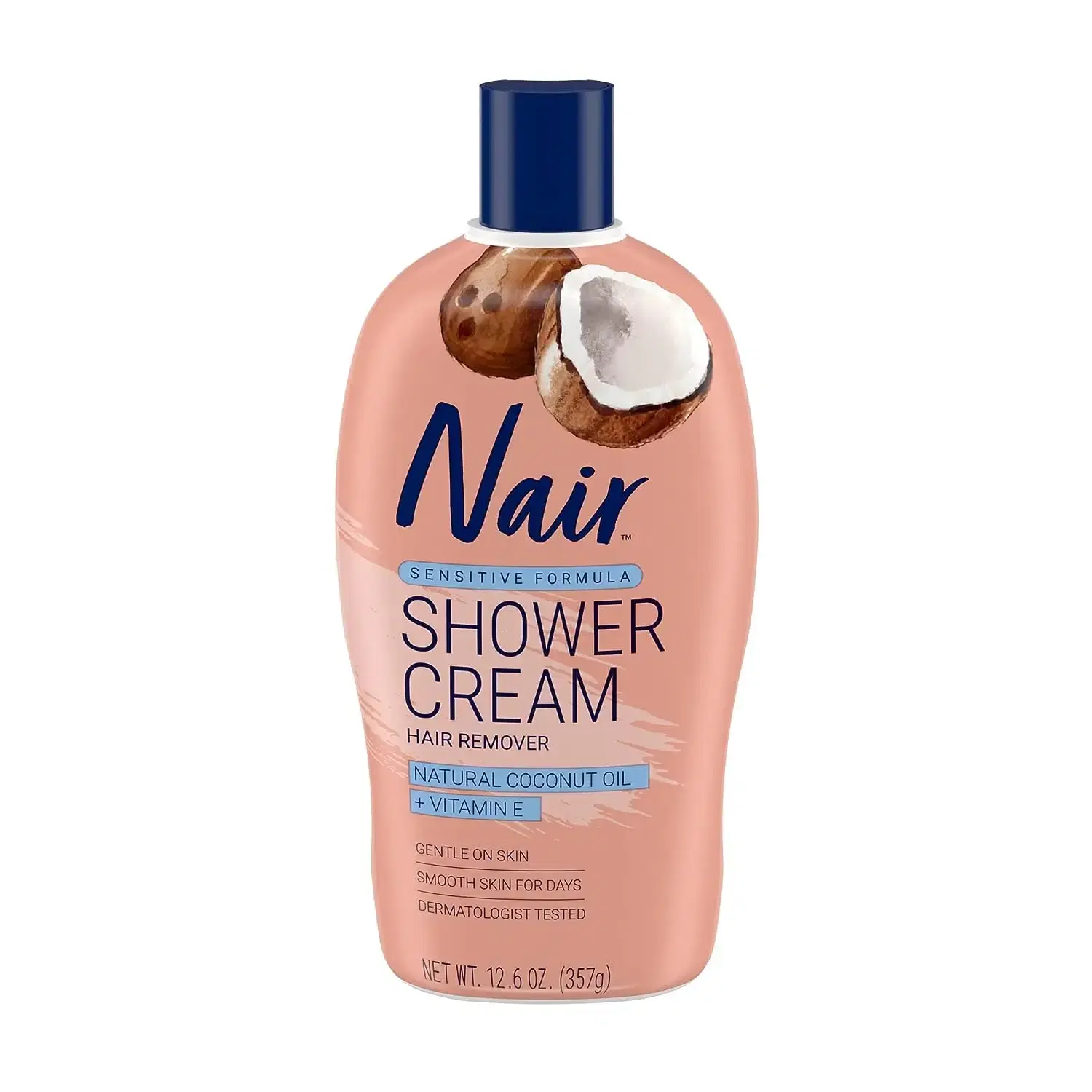
Nair and Depilatory Creams
Another common method is depilatory creams like Nair, Veet, or Nads.
Some Nair creams are infused with oils that soften skin and reduce irritation. Combined with the speed of depilatory hair removal, it's an appealing option.
The main problem is the risk of getting Nair on your anus, which is a huge no-no. Some people apply Vaseline around the anus first as a barrier. Certain hair and skin types don't respond to the cream well anyway — patch test before you commit.
If you want to try depilatory cream on your butt or thighs, see our full Nair guide before you apply anything.
Pre-Shave Tips
A few small pre-shave steps prep your skin for a clean result and improve the overall health of the skin back there.
These steps also reduce the chance of ingrown hairs, razor bumps, and blemishes after the shave.
Your pre-shave safety checklist
0/7 doneExfoliating
New to exfoliating? See our beginner's guide to mechanical exfoliants.
The short version: body scrubs, dry brushes, loofahs, and moisturizing body washes help you:
- Loosen up your skin
- Clear off dead skin cells from the surface
- Soften your hair
- Clear a path for hair growth
Each of those matters for getting a clean shave and avoiding ingrowns and blemishes along the way.
Know How Your Hair Grows
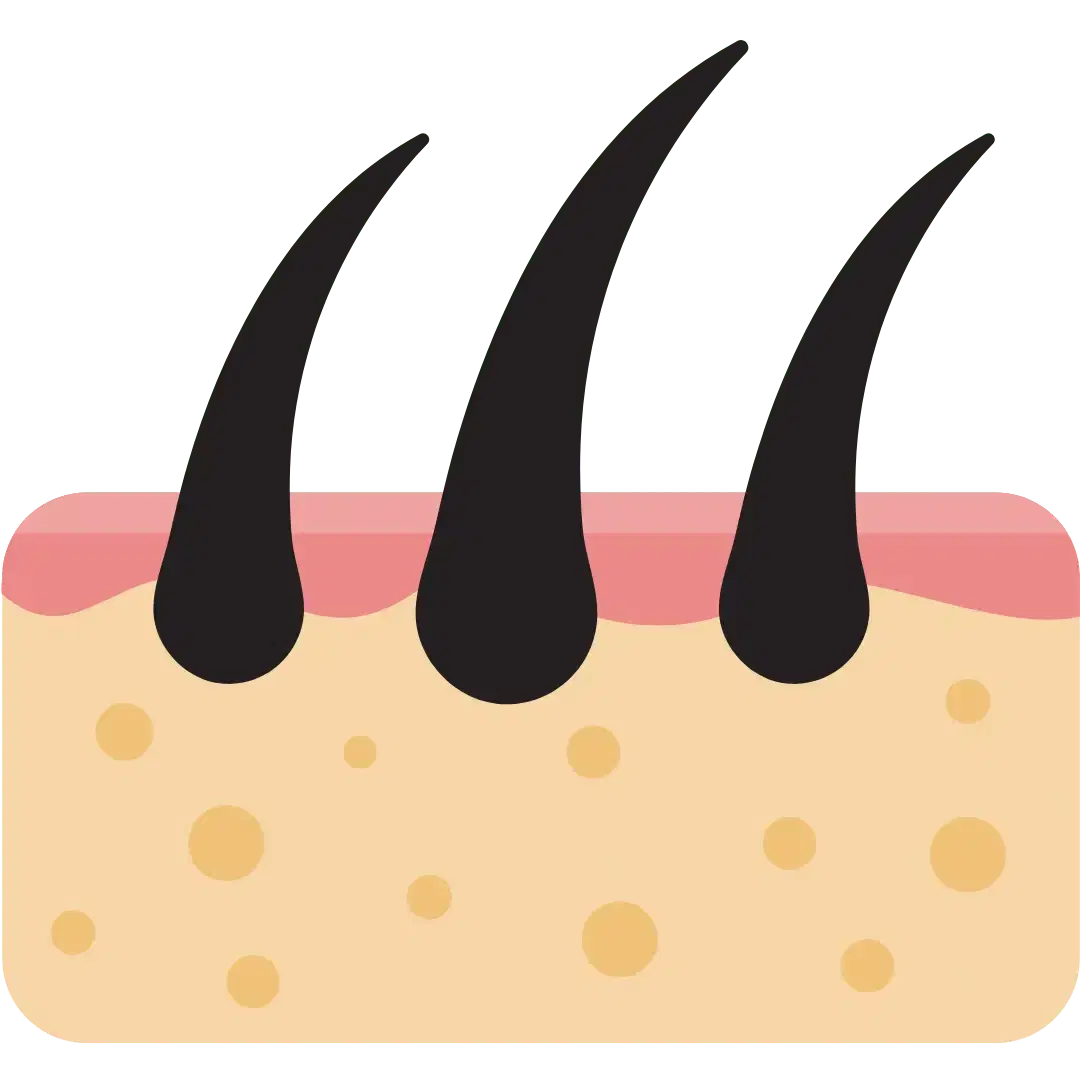
If you're using a razor or an electric trimmer, note the direction of hair growth first. With a trimmer the direction matters less, but it still matters for a close shave.
Shaving in weird directions with a trimmer can cut hair unevenly and tug at the hair and skin.
Shaving with the grain is the standard. Shaving against the grain after that gives you the closest result. Doing against-the-grain first is how razor bumps happen.
Make Sure You Can See
Eventually you'll get a feel for what needs shaving and get pretty fast at it. In the beginning, that's not the case. Even seasoned veterans sometimes want a closer look.
Mirrors help. Nothing fancy required. A hand-held lighted mirror like this one does the job and isn't expensive.
Fog-free and shatter-proof options
Another strong pick is this Shave Well Company mirror. No sharp edges, shatter-proof, wall-mount included, doesn't fog up, and super affordable. You can also take it off the wall for a closer look.
For in-shower mirrors there are two good options: this ToiletTree mirror and this Sharper Image mirror.
The ToiletTree is the cheaper pick with most of the same benefits. The Sharper Image is worth its weight in gold — check the reviews. If you have budget for shower accessories, that's the one.
Positioning the Mirror
Depending on your bathroom setup and the position you shave in, mirror placement is personal. There's no one right way.
For anyone who's truly never done this before, here's an approach that works.
Put a mirror on the floor of the shower. Use the mirror's light (or your phone propped nearby) pointed upwards for the visibility you need.

Getting a Feel for the Razor
One of the most important parts of consistent butt shaving is knowing the exact bounds of your razor's (or trimmer's) head.
That awareness lets you get close to the skin near the anus without the blade catching loose skin and cutting you. *Which hurts a lot*, take my word for it.
Once you know which direction your hair grows and exactly where your razor's blades start and end, you'll get a fantastic shave back there.
Pulling Your Skin Tight
Pulling the skin tight while shaving gives you a closer shave. Taut skin means a flatter surface for the blade.
For the longest time, I tried to pull my skin tight after it was already foamed up with shaving cream. My fingers just slipped around on the foam.
Use a washcloth to grip with, or run your fingers along an alum block to tack up your fingertips before you pull the skin. Grip improves immediately.
Alum blocks also offer other benefits: preventing razor burn, stopping minor bleeding, toning the skin, and closing pores. Worth keeping one on the shelf.
Post-Shave Tips
Once you're done shaving, you may run into residual issues from the time you spent razor-in-hand.
Below are the common problems and what to do about them to keep your skin smooth and blemish-free.
Take One More Look
Always take one more look to confirm you got all the hair. The first few times you do this, it might take a while.
A missed strip of hair under one cheek doesn't look all that nice. So *always* take one more thorough look when you're finished.
Avoiding Ingrown Hairs
Ingrown hairs, especially on the butt, are very common after shaving. Part of that is because you sit on the area you shaved for the rest of the day.
Avoiding sitting for a day or two would help, but that's not realistic for most people. Here are other ways to prevent ingrowns.
Before diving in: we already wrote a whole article on this. If ingrowns are a chronic issue, start there.
- Mechanical exfoliants like body scrubs clear your skin and leave it smoother
- A loofah or pouf in the shower exfoliates before and after hair removal
- Moisturizing body washes keep skin hydrated and reduce irritation
- A dry brush works like a shaving brush for extra exfoliation
- Regular exfoliation leads to softer hair, which reduces ingrown risk — especially in thick, coarse areas
- Loose-fitting clothes that don't constrict the skin
- Avoid sitting or lying on irritated skin for long stretches
Avoiding Prickly or Itchy Hair
Shaving with razors and trimmers can leave hair spikier and more jagged at the tip.
This happens for a few reasons: blade quality, shaving against or across the grain, and the coarseness of the hair itself.
However it happens, assuming the hair grows out of the skin normally (and doesn't become an ingrown hair), the feeling of small, spiky regrowth is not pleasant — especially in a sensitive area.
Regular exfoliation gives you softer, smoother skin and also softens the regrowth itself. Use body scrubs, a loofah, or a dry brush. See our exfoliating guide for the full routine.
Reducing Irritation
If you have irritated skin right after shaving, reducing that irritation is key to keeping your skin smooth and blemish-free.
We went deep on this in our Nair guide. The short version:
- Leave your skin alone for a little while
- Use **fragrance-free moisturizers** or **moisturizing body washes**
- Wear loose-fitting clothes that don't constrict skin
- Avoid sitting or lying on irritated areas
- Apply a cold compress
- Apply cooling agents like menthol or calamine
- Drink enough water
- Eat leafy greens rich in vitamins A, C, and E
- Get adequate sleep
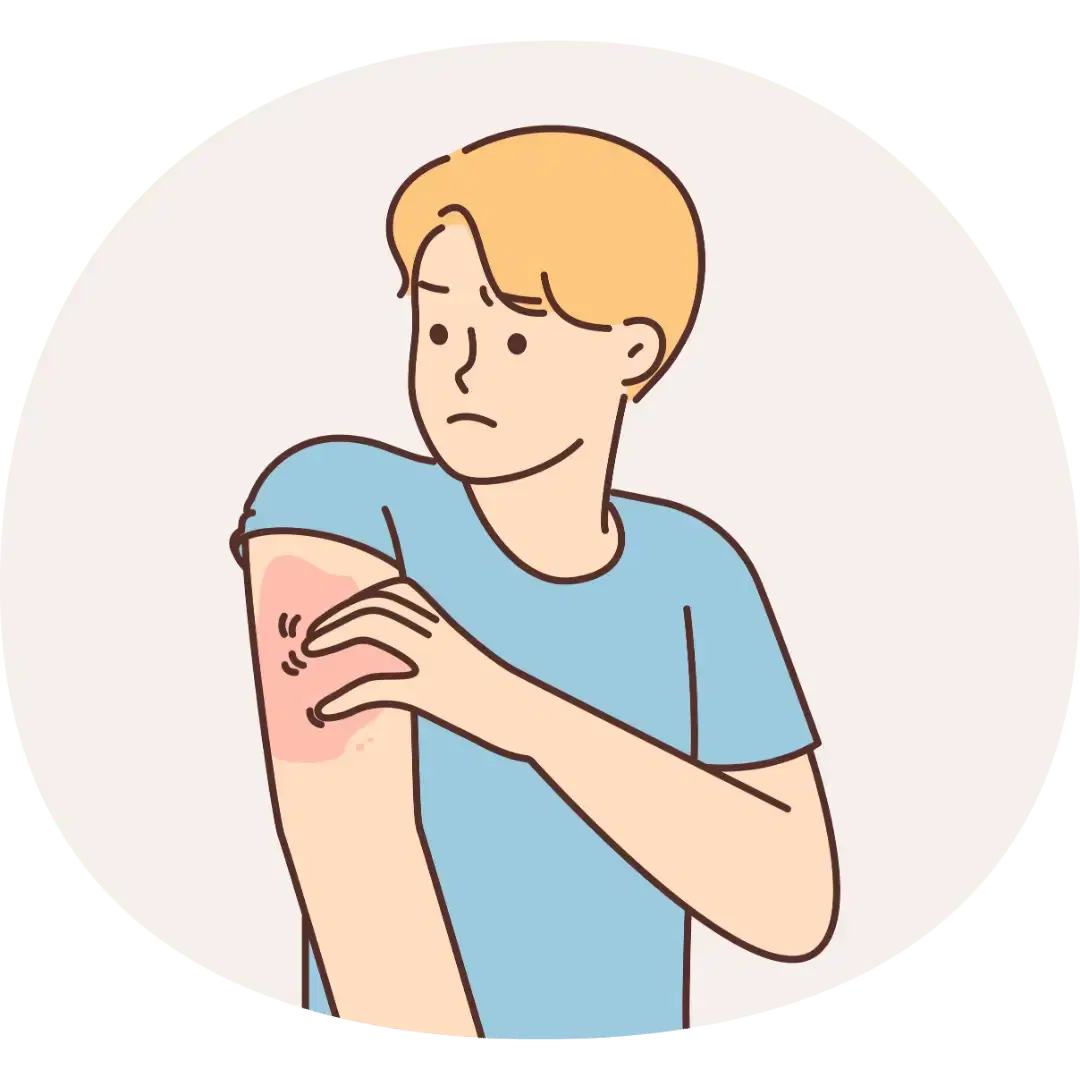
If you frequently get irritation after shaving, there's also something to be said about shaving technique. Lighter pressure, fewer passes, sharper blade.
Dealing With Cuts and Scratches
Oops. You pressed a little too hard or rounded a corner too fast and now you're bleeding.
No panic. Most of the time it won't be a deep cut — modern razors are designed to prevent that.
Use an alum block, a styptic pencil or powder, a cold compress, or direct pressure on the bloodied area.
If cuts and nicks happen frequently, check your pressure and the number of passes you're making. Light hand, fewer passes, and make sure your razor hasn't dulled to the point where that's the problem.
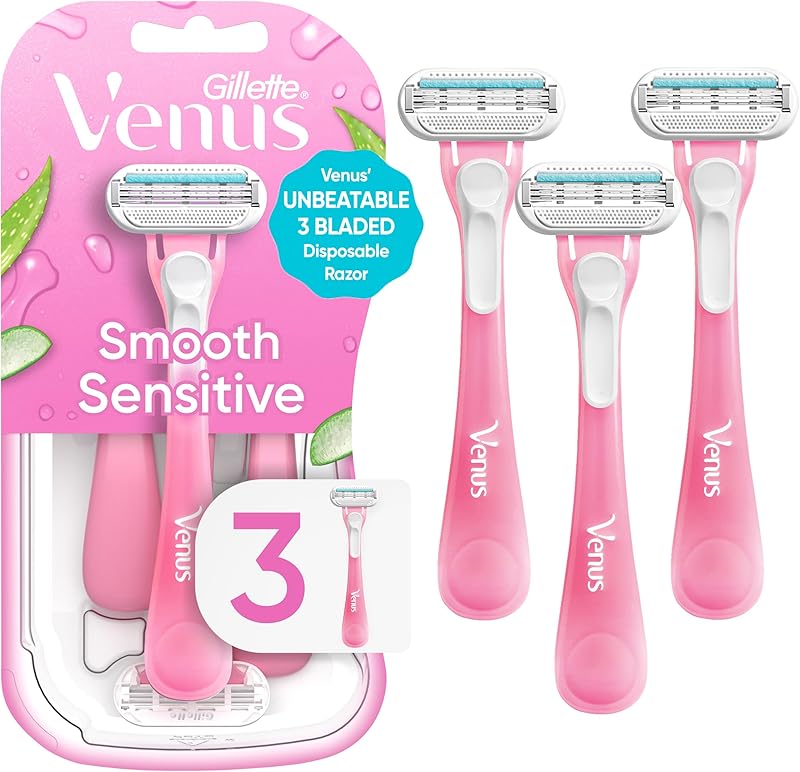
Gillette Venus Womens Disposable Sensitive
Gillette
A pivoting-head razor with multiple blades and a lubrication strip (like the Gillette Venus Sensitive) contours around curves that fixed-head razors can't reach cleanly.
Keep With the Routine
The first time I read an article like this, I was new to shaving down there and still figuring out the basics.
Like most people at that stage, I only did it occasionally, as a way to spice things up.
If you enjoy how your butt looks hair-free and you want that perfectly smooth, soft, round look all the time, a big part of getting there is building a routine and sticking to it.
Regular shaving, exfoliating, and moisturizing these areas will give you softer, smoother, more consistently hair-free skin over time.
The benefits compound. Start now. And don't be too hard on yourself if the first few attempts aren't perfect ❤️
Good aftercare keeps this area bump-free long-term. See our post-shave skincare routine for the immediate step, and our ingrown hair prevention guide for the weekly routine.
Frequently Asked Questions
Yes, when done carefully. Use a fresh razor, shaving cream, and go with the grain. Avoid pressing too hard and always moisturize afterward to prevent irritation.
Every 3-5 days if you want to stay smooth, or weekly for maintenance. Shaving too frequently can cause irritation, so find the schedule that works for your skin.
A multi-blade razor with a pivoting head works best — the Gillette Venus or similar body razors contour well to curves. Avoid single-blade safety razors in this area.
Exfoliate 24 hours before shaving, always use shaving cream, shave with the grain, and apply an alcohol-free aftershave balm. Wear breathable cotton underwear for the first day.
Reviewed by Alex Hayward · Last reviewed April 12, 2026
Alex Hayward—7+ years of grooming & skincare editorial experience
How we pick products
- We research dozens of products in every category, reading real customer reviews and ingredient lists.
- Where possible, we test products ourselves or consult skincare professionals for first-hand feedback.
- We prioritize products that are widely available, fairly priced, and well-reviewed by other men with similar goals.
- Affiliate commissions never influence our rankings or recommendations. Our picks stay the same whether or not a product has an affiliate program.
Keep Reading
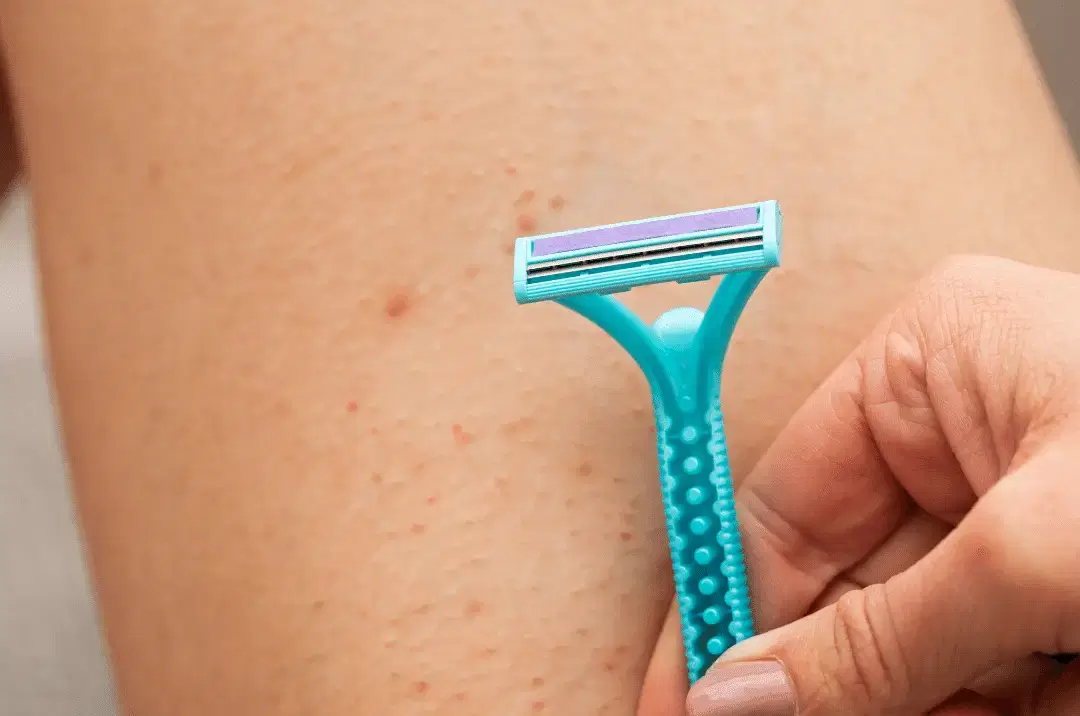
How to Get Hairless Fast: Quick Hair Removal Strategies
Need to remove body hair quickly? Compare shaving, depilatory creams, and trimming for speed, smoothness, and skin safety.

How To Shave Your Butt Without Bumps, Nicks, Or Regret
A step-by-step guide to shaving your butt and crack safely — the right razor, the right cream, and aftercare that actually prevents razor bumps.

How To Shave Pubic Hair For Men: The Full Walkthrough
A full, honest guide for men: trim, shave, and aftercare that keeps male pubic skin smooth and bump-free. Every step spelled out.

How To Shave Pubes Safely: A No-Bumps Method
A femboy-friendly, bump-free method for shaving pubic hair at home — every tool and step explained.
More where this came from.
Dig into the rest of the library or pick a shelf to see what we've actually tested and liked.