TL;DR
- Physical exfoliants (scrubs) and chemical exfoliants (AHAs/BHAs) both work
- Start with 2 times per week and increase only if your skin tolerates it
- Always exfoliate before shaving, never immediately after
- Moisturize right after exfoliating to lock in hydration
Exfoliation is the fastest route to smoother skin most people never try. Two sessions a week, five minutes each, visible results inside a month.
A consistent exfoliating routine makes your skin visibly softer, helps it heal faster, and softens the hair growing through it. The results often show up after the first session.
Getting Started
Two categories exist and most people only know one. A chemical exfoliant uses mild acids to dissolve dead skin cells. A mechanical exfoliant physically lifts them off.
This article covers the mechanical side. That's where beginners should start, and it's where the biggest surprise upgrade sits for anyone chasing smoother skin.
The whole process takes a couple of minutes and fits inside your normal shower. No new routine, no scheduling — just a small addition at the end.
What Should I Expect?
For most people, the outcome is noticeably smoother, softer skin within a session or two.
How soft? My hand can glide up my thigh without catching the direction of hair growth. That's the benchmark to aim for.
The hair in exfoliated areas feels softer. Skin heals from blemishes faster. Everything feels more supple to the touch — and the change is measurable within a week at two sessions.
Starting with Scrubs
Freshly shaved skin is micro-abraded and vulnerable. Scrub it and you'll burn, sting, and likely develop ingrowns. Always exfoliate BEFORE shaving, not after.
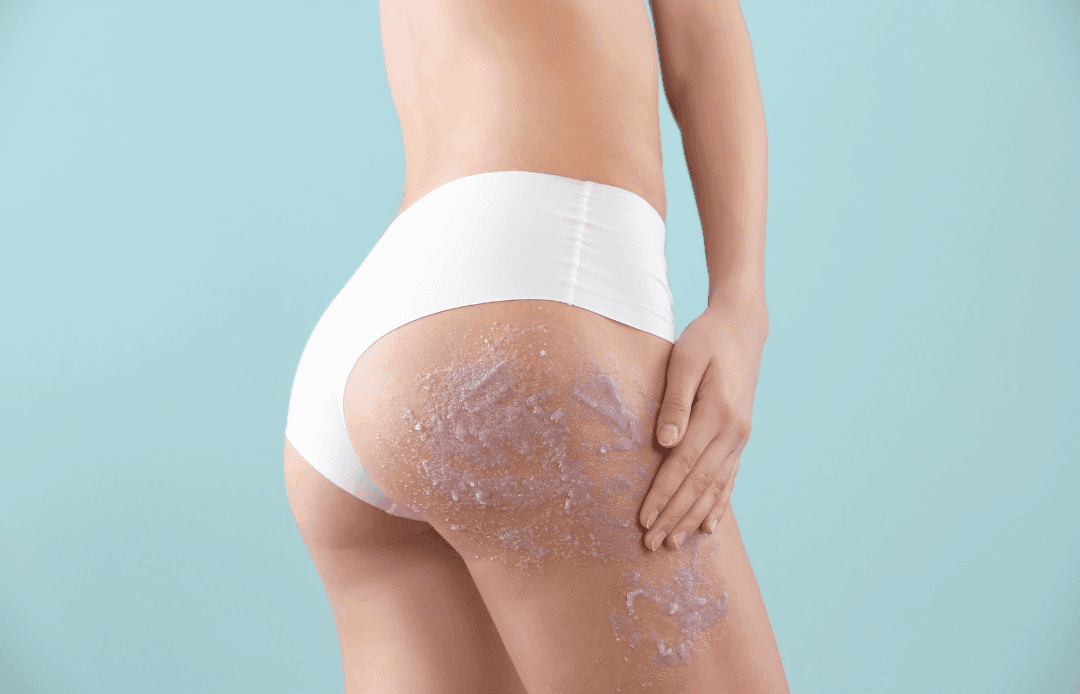
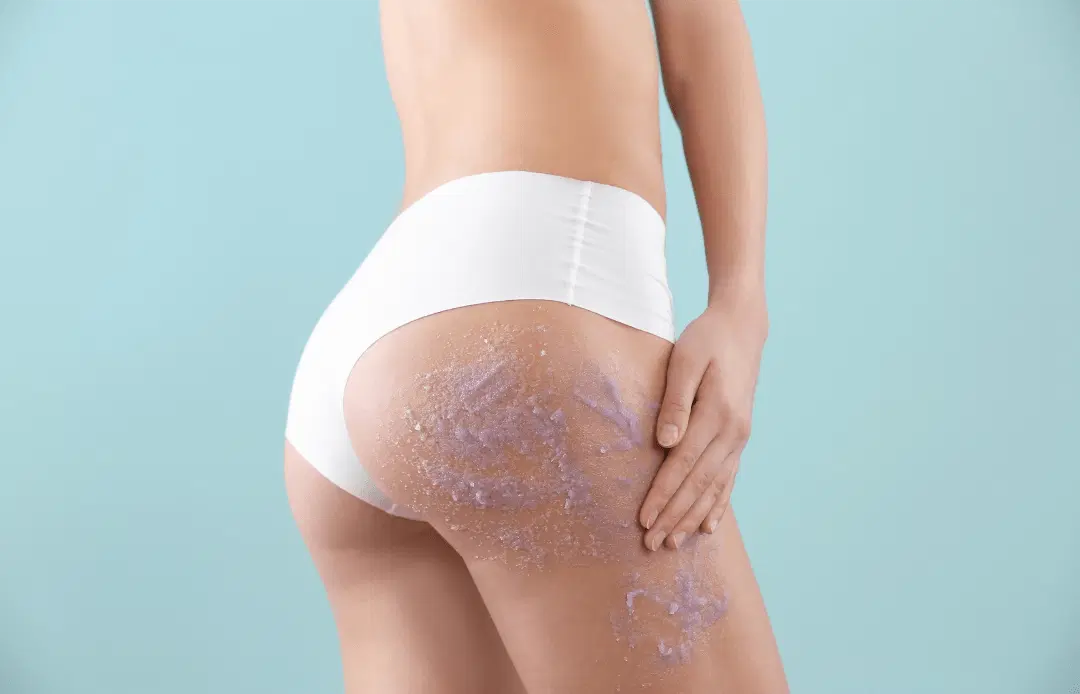
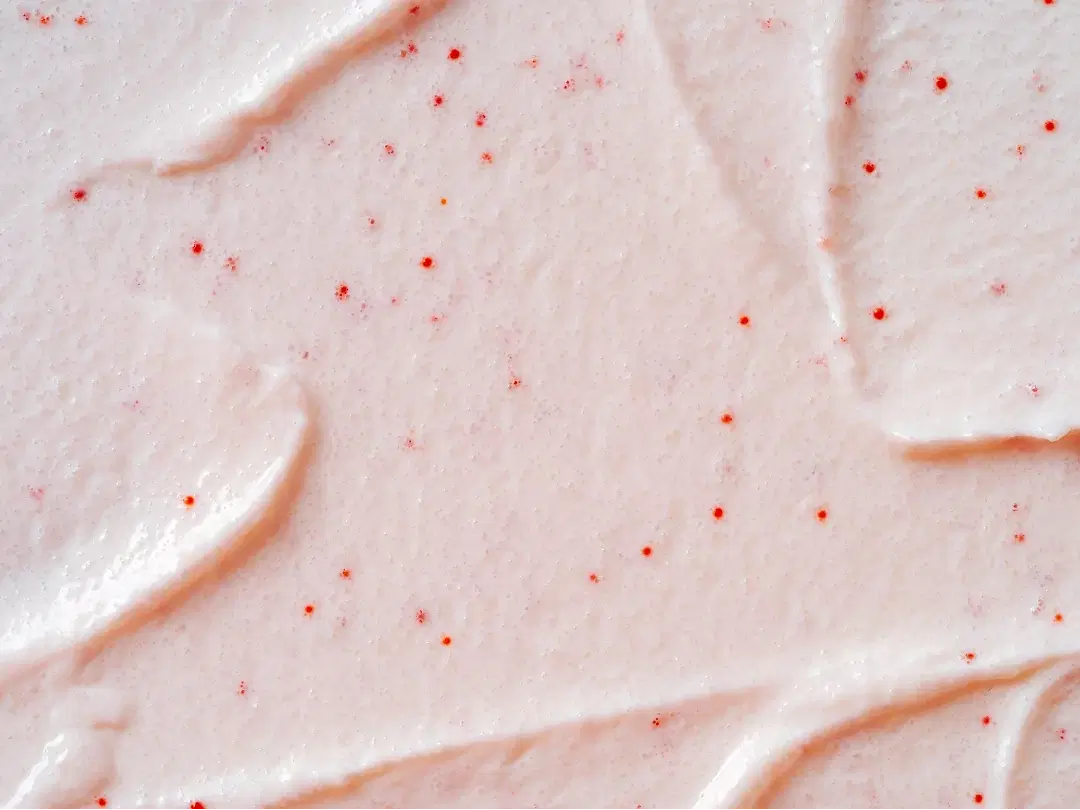
The easiest entry point is a body scrub — a tub of thick, grainy paste you rub onto damp skin at the end of a shower.
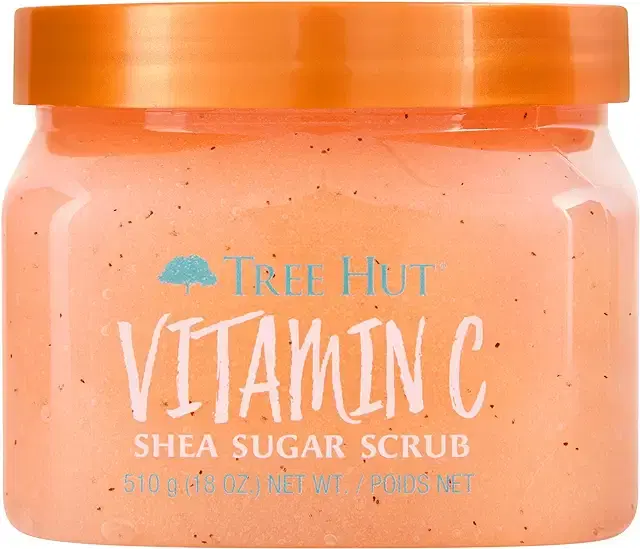
You've probably seen them in the body-wash aisle. Brightly colored tubs, rough paste inside, usually sugar- or salt-based. Popular brands include Tree Hut, OGX, and Dove.
So How Should I Use It?
Near the end of your shower, scoop a small amount of scrub out with your fingers and rub it into the skin you want smoother. Thighs, butt, arms — wherever needs it.
Work it in for 30-60 seconds, then rinse. Your skin will feel smoother the moment the water hits it, and that feeling lasts for hours after the shower.
Most scrubs smell great, which is a small bonus that makes the habit easier to keep. Pick one with a scent you actually like — you'll reach for it more often.
Other Mechanical Exfoliants
Scrubs aren't the only route. Dry brushing and loofahs work on the same principle and fit into your routine in different spots.
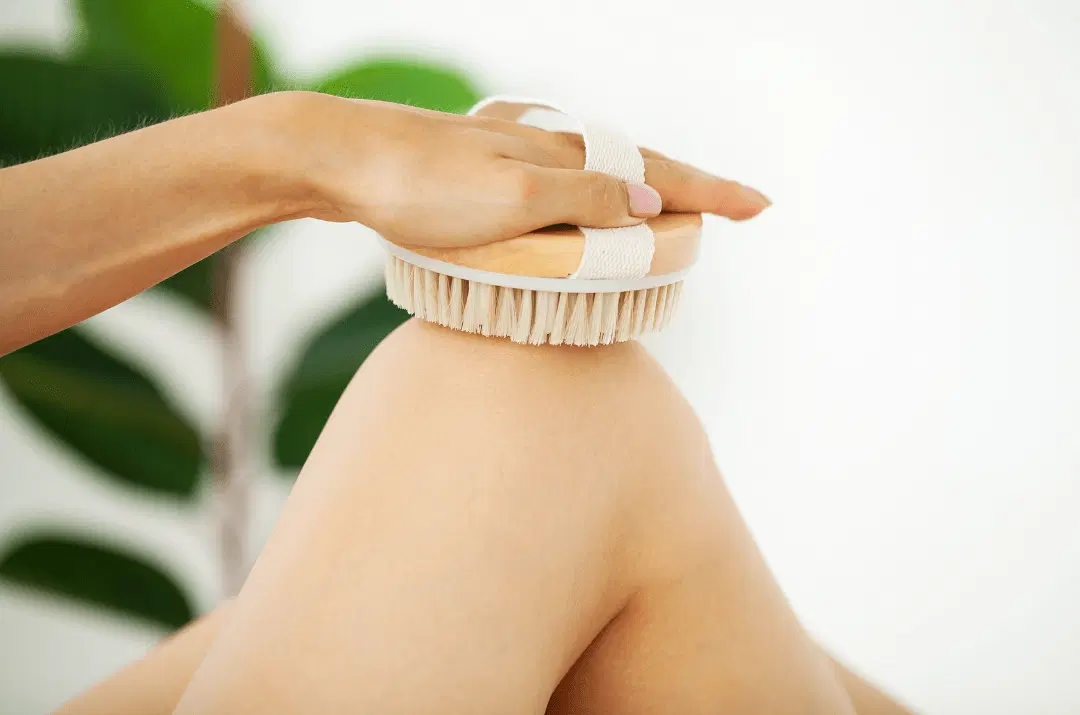
Dry brushing uses a firm-bristled brush on dry skin before you shower. Long sweeping strokes toward the heart. Two to three minutes is enough.
The first couple of times feel weird, but the payoff goes beyond exfoliation. Dry brushing has been credited with stimulating the lymphatic system, boosting circulation, and reducing the appearance of cellulite.
Done consistently, it supports younger-looking, tighter, smoother skin alongside your scrub routine.
Which starting exfoliant fits your skin?
Pick the option that sounds most like you right now.
What About Loofahs?
Think about how you wash your body right now. Hands? A washcloth? One of those poufs?
Swap in a loofah and the same washing time now exfoliates too. Zero added minutes, real added results.
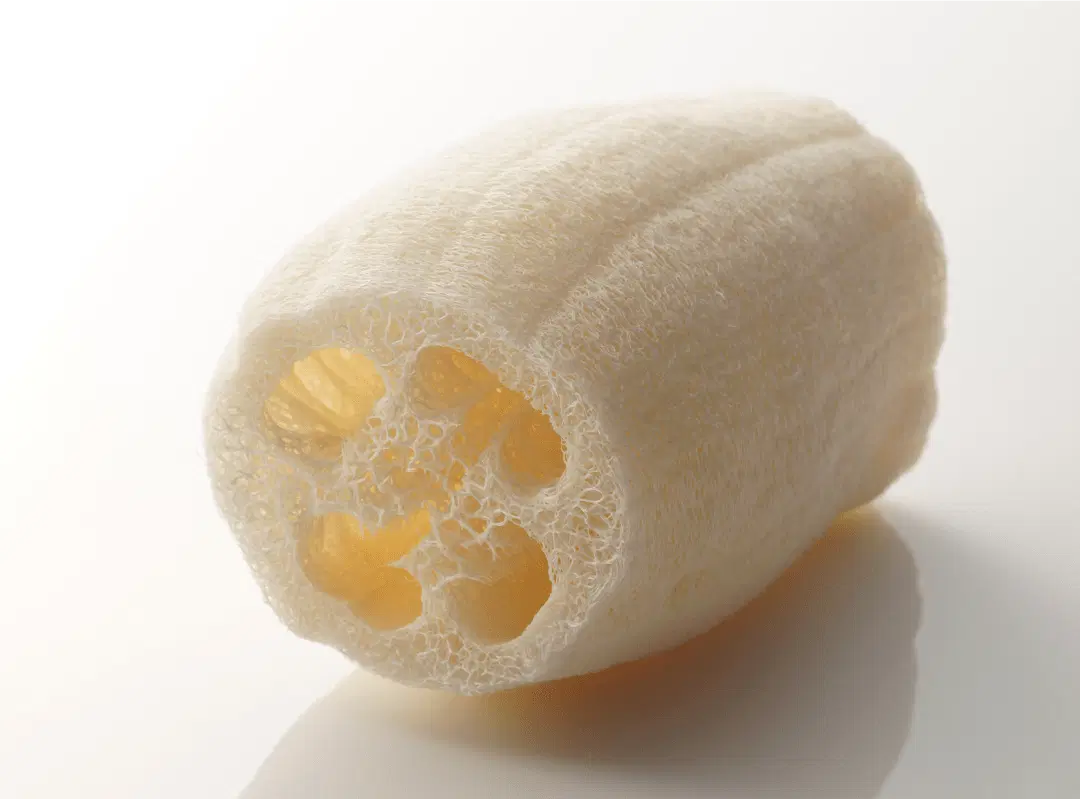
I use a natural loofah because it looked cool and kept feeling good. My skin came out noticeably smoother, and the shower itself felt better.
It's the human version of a cat scratching a post. Don't miss out on it.
A Quick Note on Body Washes
Your body wash matters too. It doesn't have to do everything, but it shouldn't fight your routine.
You don't need a body wash with micro-beads or exfoliants mixed in. Stacking too many exfoliants is the main way beginners end up over-exfoliated.
A simple moisturizing body wash does more for your skin on exfoliating days — it hydrates while you clean and keeps irritation low.
Keeping skin hydrated helps it:
- Heal faster after scrubbing or shaving
- Respond better to every exfoliant in your routine
- Hold onto its elasticity over time
- Look fuller, with fewer fine lines
- Read as healthier and younger at a glance
How Often Should I Exfoliate?
The answer depends on your skin and your goals. There's no single correct frequency.
Search the question online and you'll get wildly different answers — once every ten days, every other day, daily, weekly. No single cadence fits every skin type.
Start at two sessions a week, pay attention to how your skin responds for 2-3 weeks, then scale up or down from there. More aggressive schedules are for people whose skin already tolerates regular scrubbing.
Don't Overdo It
Over-exfoliation is the biggest beginner mistake. Watch for the warning signs and back off the moment you see them.
Work up gradually instead of jumping straight to daily sessions. Your skin will tell you when it's had enough — your job is to listen.
Signs you're over-exfoliating:
- Skin that feels dry or tight hours after the shower
- Persistent redness in exfoliated areas
- Peeling or flaking skin
- A new rash, hives, or stinging on contact
Never exfoliate over open wounds, blisters, or active infections. Scrubbing those areas makes them worse, not better. Work around them and come back once the skin has closed.
For me, the ceiling sits just above every other day, or slightly less than half the week. I dry-brush daily and use a loofah in every shower, but only finish with a body scrub three or four times a week.
That cadence might be too much or too little for you. Adjust based on what your skin signals back.
Where Should I Exfoliate?
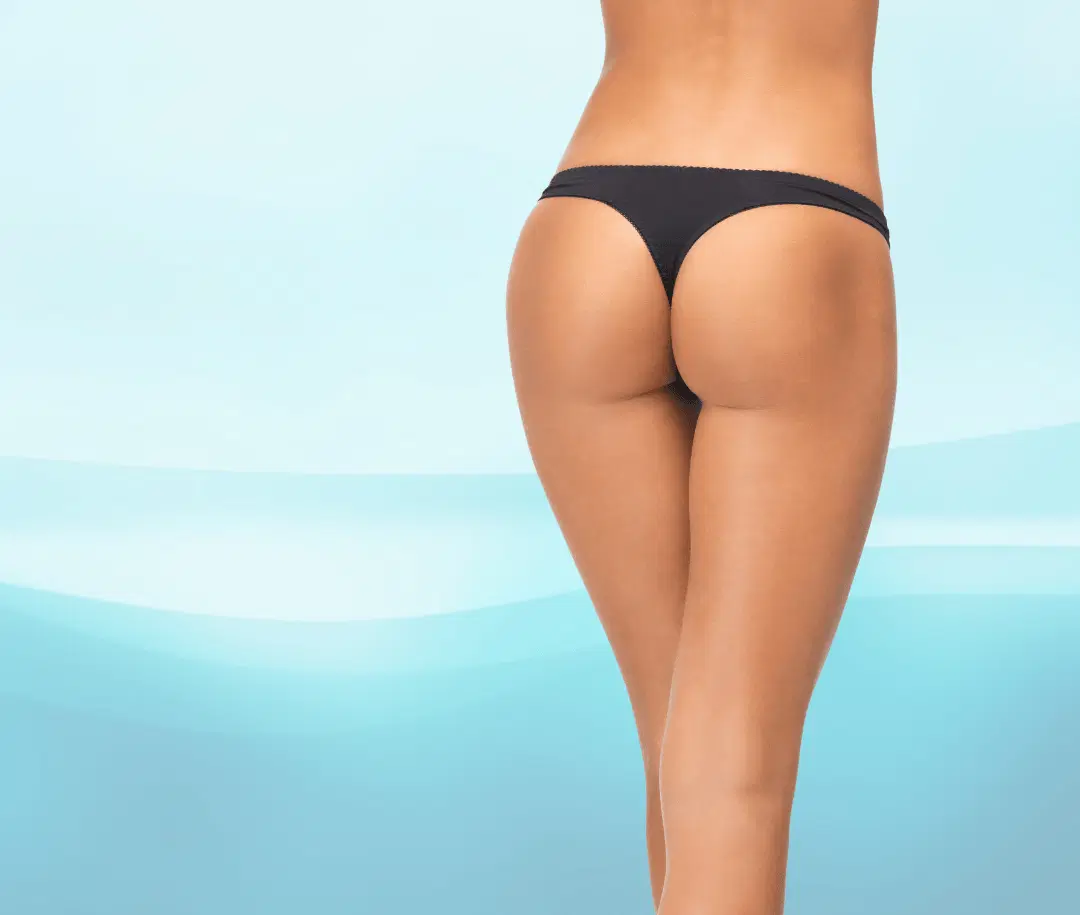
You don't have to exfoliate everywhere. Some areas collect dead skin faster than others and benefit from a regular pass.
Full-body scrubbing every other day isn't cost-effective or time-effective. Focus on the spots you actually want smoother and softer.
On the butt, avoid scrubbing right on the sensitive inner skin — it gets painful fast. Around intimate areas, keep scrubs external only. Most body scrubs are fine to use the same way you'd use any body wash in those zones.
Ingredients Matter
Scanning every scrub's ingredient list can feel paralyzing. Vitamin C, shea butter, tea tree oil, vitamin E — they all sound good, and they all market hard.
Each brings something real: vitamin C brightens, shea butter moisturizes, tea tree oil fights bacteria, and vitamin E supports skin repair.
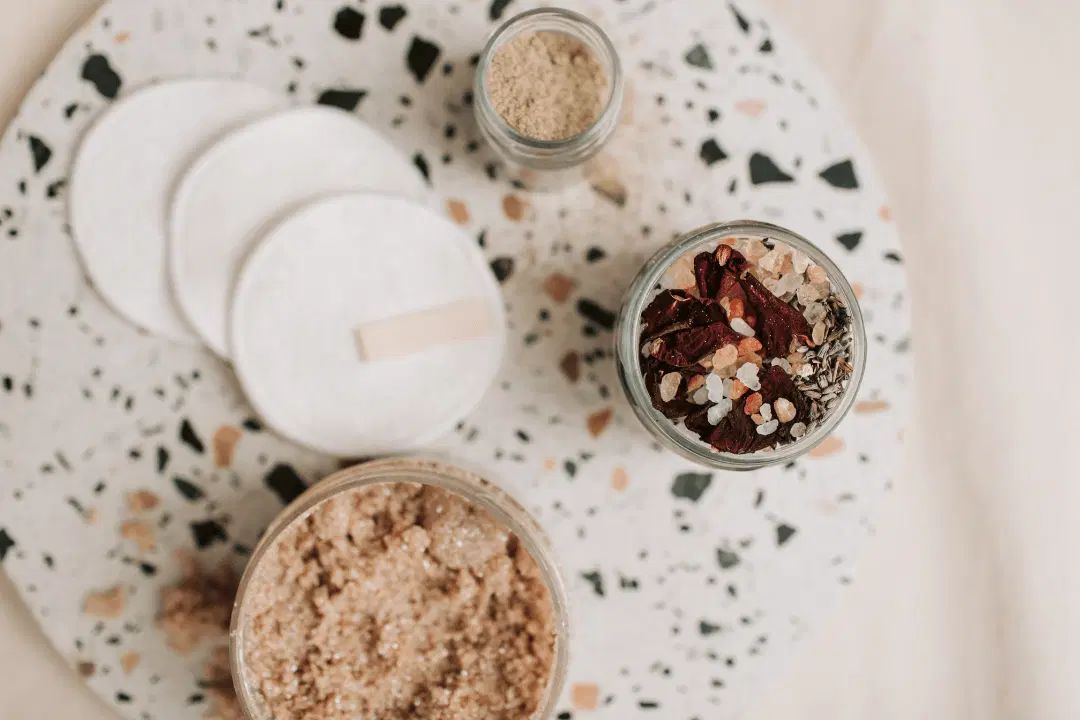
Ingredients help, but they shouldn't stop you from starting. The scrub is on your skin for a minute or two before it rinses off.
Pick one that smells good and costs less than $15. The exfoliation itself is doing the heavy work — added ingredients are a bonus, not the main event.
Exfoliants for Avoiding Ingrown Hairs
If blemishes keep showing up in your shaving zones, they're often ingrown hairs. Regular exfoliation is one of the strongest fixes.
Exfoliating clears dead skin cells off the surface and opens a path for hair to grow out instead of curling back in. It also reduces inflammation and fades the dark marks ingrowns leave behind.
Exfoliation prevents new ingrowns and also helps treat the ones already there — as long as the skin isn't broken. Skip any spot with an open wound. Scrubbing raw skin makes things worse.
Tips For Saving Money
New users burn through tubs of scrub faster than they expect. When I first tried exfoliating every other day, I kept running out.
The fix is simple: your skin should be wet, but not dripping wet when you apply. Damp, not soaked.
When water is running off you, most of the scrub slides off with it before it can work. A light rinse, a quick pat, then scoop and apply. One tub stretches twice as far.
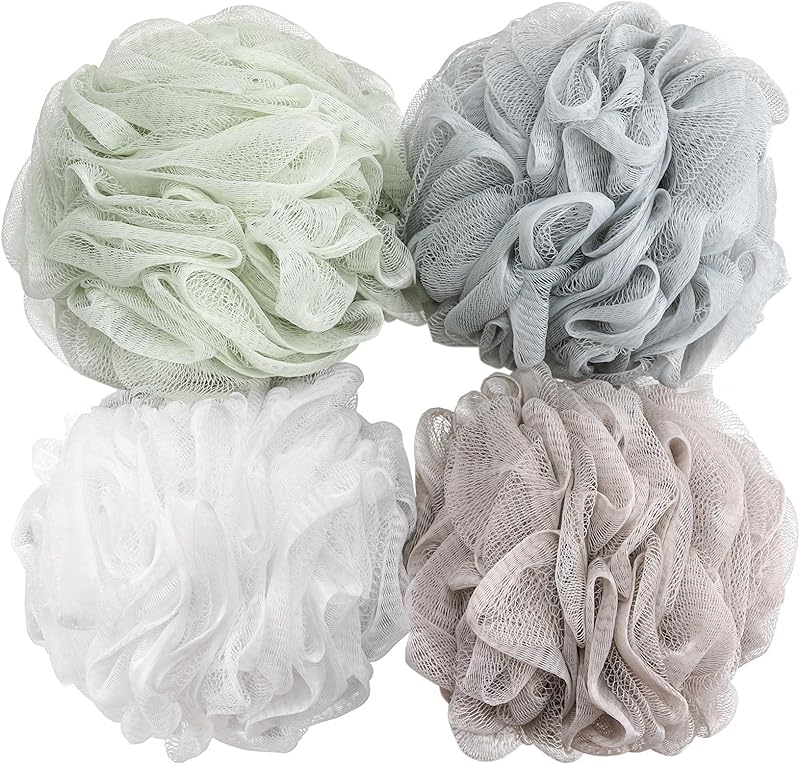
Bath Shower Sponge Loofahs Mesh
If you're new to exfoliation, start with a mild physical scrub or a low-percentage chemical exfoliant. Harsh walnut-shell scrubs and 20% glycolic pads are not beginner territory.
Wrapping Things Up
Exfoliation is one of the cheapest, easiest upgrades you can make to your skincare routine. Smoother, softer, clearer skin inside a few sessions.
It slots into your existing shower without adding real time, and most people look forward to the scrub moment once the habit sticks.
Happy exfoliating.
Exfoliation is step one of a bigger smooth-skin routine. Once you've got the basics, layer on the rest with our full guide to smooth skin and pair it with our ingrown hair prevention guide for full results.
Frequently Asked Questions
Start with twice a week. If your skin handles it well after two weeks, you can increase to three times. Over-exfoliating causes irritation, redness, and breakouts.
Before. Exfoliating lifts dead skin and trapped hairs, giving you a closer, smoother shave with less irritation. Never exfoliate right after shaving — your skin is too sensitive.
Physical exfoliants use granules or brushes to scrub away dead skin. Chemical exfoliants use acids (like glycolic or salicylic acid) to dissolve dead cells. Chemical exfoliants are gentler and better for sensitive skin.
Yes, body exfoliation is great for smoothness and preventing ingrown hairs. Use a body scrub or exfoliating mitt in the shower. Avoid exfoliating broken skin, sunburned areas, or active acne.
Reviewed by Alex Hayward · Last reviewed April 12, 2026
Alex Hayward—7+ years of grooming & skincare editorial experience
How we pick products
- We research dozens of products in every category, reading real customer reviews and ingredient lists.
- Where possible, we test products ourselves or consult skincare professionals for first-hand feedback.
- We prioritize products that are widely available, fairly priced, and well-reviewed by other men with similar goals.
- Affiliate commissions never influence our rankings or recommendations. Our picks stay the same whether or not a product has an affiliate program.
Keep Reading
How To Treat An Ingrown Hair On The Stomach (And Stop Them Coming Back)
The fastest way to clear stomach ingrown hairs and the single change that prevents them from coming back.

How To Prevent Ingrown Hairs For Good (Dermatologist-Reviewed)
The seven habits that actually prevent ingrown hairs, ranked by dermatology evidence — with specific product picks per habit.
How To Get Smoother Skin All Over Your Body
Body-wide smoothness: exfoliation, moisturisers, and the products that move the needle — mapped by body zone.
How to Prevent Ingrown Hairs: Causes, Fixes, and Prevention
Stop ingrown hairs for good with proven prevention techniques, exfoliation tips, and product recommendations for smooth, bump-free skin.
More where this came from.
Dig into the rest of the library or pick a shelf to see what we've actually tested and liked.