TL;DR
- Exfoliate 2-3 times per week with a gentle physical or chemical exfoliant
- Always shave with the grain using a sharp, clean razor
- Moisturize daily with a lightweight, non-comedogenic lotion
- Treat existing ingrowns with salicylic acid or tea tree oil — never pick them
Ingrown hairs cause most of the blemishes that show up after shaving. This guide covers the exact habits that prevent them before they start.
Written for anyone with sensitive skin, and anyone who keeps running into ingrown hairs, razor bumps, or blemishes after hair removal. The fixes below work across legs, bikini line, butt, chest, and face.
Recognizing Ingrown Hairs
First question: is that bump actually an ingrown? Or a pimple, or razor burn? It matters because the treatment differs.
Location is the biggest tell. Face and neck skew more toward acne. Legs, bikini, and pubic region skew toward ingrowns.
If the blemish showed up after hair removal, in an area that doesn't normally break out, it's almost always an ingrown hair. Ingrowns, razor bumps, and acne respond to overlapping treatments, so the fixes below tackle all three.
Exfoliating
Ingrown hairs happen when new growth gets blocked from breaking through the skin. Exfoliating clears that path and prevents most ingrowns from forming.
It lifts dead skin cells off the surface, unclogs pores, and leaves behind a smoother environment for new hair. The same process fixes trapped-oil acne as a bonus.
Our full beginner's guide to exfoliating covers the cadence and technique. The short version:
- Mechanical scrubs like body scrubs clear the surface and leave skin softer
- A loofah or pouf adds exfoliation to every shower without adding time
- Moisturizing body washes keep skin hydrated so it's less irritable
- A dry brush acts like a pre-shower shaving brush — lifts dead cells before you even turn the water on
- Exfoliating regularly softens hair too, which reduces ingrowns especially in coarse-hair areas
Don't Just Exfoliate Afterwards
Post-shave exfoliation gets all the attention. Pre-shave exfoliation matters just as much and most people skip it.
Exfoliating before you shave clears dead cells, dirt, and surface bacteria before the razor drags them into the follicle.
Picking or digging scars the surrounding skin and often pushes the hair deeper. Use a warm compress and a salicylic-acid treatment instead — the hair will release on its own.
That's the step that cuts ingrowns at the source. Post-shave exfoliation handles regrowth; pre-shave exfoliation prevents the blockage in the first place.
Bathing Before and After
If you keep running into blemishes after shaving, your skin may be telling you to bathe differently around hair-removal days. The fix is usually small.
Bathing before you shave softens the hair and opens pores. It also clears away the dirt and oil that would otherwise clog follicles mid-shave.
Five to ten minutes in hot water relaxes hair shafts and the skin around them so the razor glides cleaner. If you're short on time, a hot shower with the water hitting the shave area for a full minute works almost as well.
Post-shave bathing also helps — a gentle rinse with a moisturizing body wash cuts irritation and clears any debris the razor left behind.
Reducing Irritation
Irritated skin breaks out more. Recognizing and reducing irritation is the biggest single lever you have.
Watch for redness, painful bumps, or bleeding during and in the day or two after any hair removal. These are early warnings — address them fast and you head off the cascade.
Inflamed skin is much more likely to block nearby follicles and seed a new round of ingrowns. To calm irritation:
- Use **fragrance-free moisturizers** or **moisturizing body washes**
- Wear loose-fitting clothes and avoid tight waistbands on freshly shaved skin
- Avoid sitting or lying on irritated areas for long stretches
- Apply a cold compress to calm active redness
- Use cooling agents like menthol or calamine for persistent burn
- Drink enough water — hydration matters internally too
- Eat leafy greens and foods rich in vitamins A, C, and E
- Get adequate sleep so the skin can repair
Your pre- and post-shave checklist
0/7 doneTechniques for Shaving
Most post-shave blemishes trace back to shaving technique. The razor and the stroke are the first place to audit.
Dull blades are the biggest offender. Old razors tug, skip, and slice skin open while barely cutting hair. Swap the head every 5-10 shaves.
A 5-blade cartridge drags five cutting edges across the same patch every stroke — more irritation, more ingrowns. A single or double blade cuts cleanly with one pass. Traditional advice says shave with the grain, but that fights the goal of a clean, smooth finish.
While you shave:
- Avoid multiple passes over the same area in the same session
- Rinse the razor after every stroke to clear hair and cream
- Exfoliate beforehand using the techniques above
- Never shave dry — always use shaving gel, cream, or foam
- Try razors with fewer blades, built for sensitive skin or the female bikini region
- Follow the irritation-reduction list above before and after
Hair Removal Without Shaving
If the tips above don't move the needle, the razor might not be your best tool. Several alternatives skip the ingrown problem almost entirely.
Each has trade-offs on speed, pain, cost, and longevity. Try one or two before writing off hair removal as "not for your skin." Other options include:
- An epilator (pulls hair from the root — stings for the first few sessions)
- Hair removal creams like NAIR, Veet, or Nads
- A body trimmer that cuts close without nicking the skin
- An IPL device for long-term hair reduction at home
- An at-home waxing kit for longer-lasting results
- Salon treatments like laser hair removal or professional waxing
Tea Tree Oil
Tea tree oil has been the closest thing to a miracle fix in my own routine.
Tea tree oil is a natural antibacterial that calms and prevents ingrowns, razor bumps, and post-shave blemishes.
Neat tea tree oil is strong and can irritate on its own. Dilute it with coconut oil, jojoba, or water before it touches skin. Some people see a partial or complete reduction in bumps within a couple of hours of applying.
My routine: tea tree oil mixed with coconut oil, applied after moisturizer on shave days. Occasional night-time application on non-shave days as insurance.
A ready-to-go coconut oil mixing kit is the cleanest way to start without measuring anything.
Baths and Hot/Cold Compresses
A hot bath or shower before shaving loosens pores and softens hair. That's the single easiest upgrade to any shave.
It also rinses away dirt and bacteria on the surface, so the razor isn't dragging those into the follicle.
For sensitive skin, wait until the heat-induced redness fades before you start shaving. Shaving flushed skin amplifies irritation. Hot enough to open pores, not hot enough to leave you pink — that's the target.
Cold compresses work on the other side of the process — they reduce swelling and calm redness after removal. They matter most after painful waxing or epilating sessions.
Moisturizing
While you shave, make sure the razor isn't pulling or tugging at your hair. That's the first sign of a dull blade.
Moisturizing after a shave keeps the skin barrier intact and supports clean regrowth. Apply within 5 minutes of drying off.
The right moisturizer varies by body part. What works on your face often feels too light on your legs. Match the product to the zone.
I've found this CeraVe moisturizer works great on legs and butt. It's fragrance-free, absorbs fast, and doesn't leave residue on clothes.
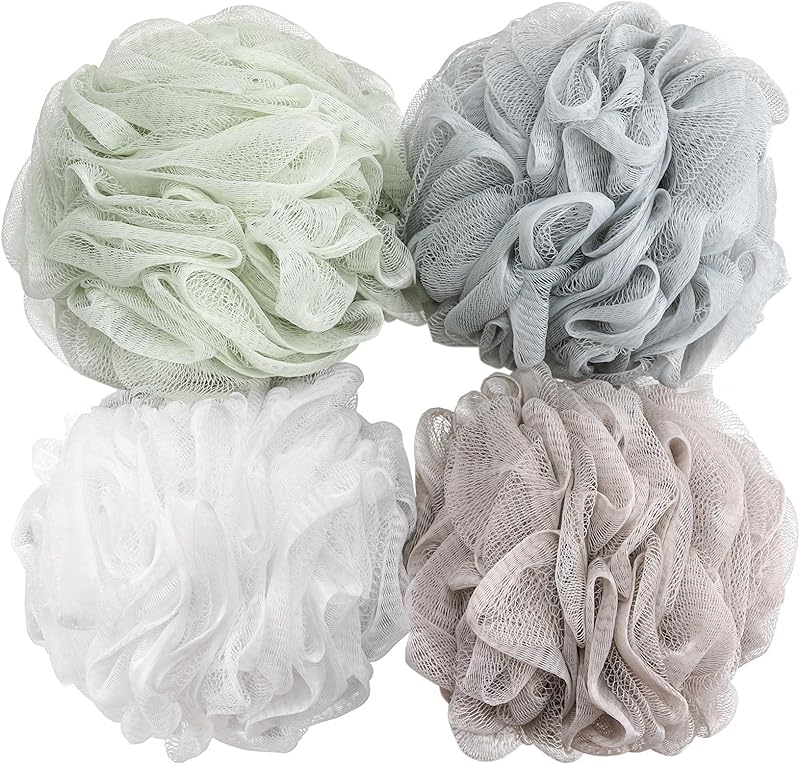
Bath Shower Sponge Loofahs Mesh
Salicylic acid (a BHA) is the single most effective topical for ingrown hair prevention. Look for a 2% leave-on formula — lotions, pads, or body washes.
Fading Blemishes
Ingrowns often leave behind dark marks (Post-Inflammatory Hyperpigmentation, or PIH). Nobody wants the shadow of a bump hanging around for weeks after the bump is gone.
To fade PIH, use moisturizers or serums with ingredients that support cell turnover and regeneration. Ingredients to look for:
- Vitamin C
- Antioxidants
- Niacinamide (vitamin B3)
- Vitamin E
- Alpha Hydroxy Acid (AHA)
- Panthenol
- Salicylic Acid
- Retinoids like adapalene or tretinoin
UV exposure makes hyperpigmentation worse. Apply SPF to the fading area every day until the mark clears, even if it's covered by clothes most of the time.
Ingrown prevention is a daily routine, not a one-off fix. Layer it with our exfoliation guide and our post-shave routine for a full pipeline.
Frequently Asked Questions
Ingrown hairs happen when a hair curls back and grows into the skin instead of out of it. Shaving too close, dead skin buildup, and tight clothing all increase the risk.
Apply a warm compress for 5 minutes, then dab on salicylic acid or glycolic acid. This softens the skin so the hair can break free. Never dig at it with tweezers — that causes scarring.
Yes, exfoliating is the single most effective prevention method. It removes dead skin cells that trap hairs beneath the surface. Use a gentle scrub or chemical exfoliant 2-3 times per week.
Both can cause them, but shaving against the grain is the most common trigger. Waxing pulls hair from the root, which can also lead to ingrowns as the new hair grows back thinner and may curl.
Reviewed by Alex Hayward · Last reviewed April 12, 2026
Alex Hayward—7+ years of grooming & skincare editorial experience
How we pick products
- We research dozens of products in every category, reading real customer reviews and ingredient lists.
- Where possible, we test products ourselves or consult skincare professionals for first-hand feedback.
- We prioritize products that are widely available, fairly priced, and well-reviewed by other men with similar goals.
- Affiliate commissions never influence our rankings or recommendations. Our picks stay the same whether or not a product has an affiliate program.
Keep Reading
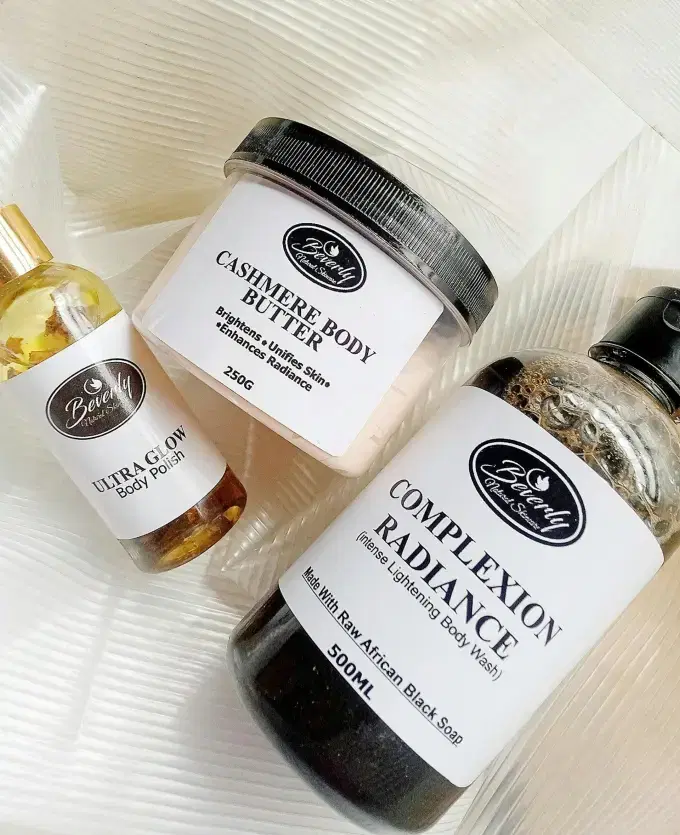
Post-Shave Skincare Routine: Stop Razor Bumps for Good
Build a post-shave skincare routine that stops razor bumps and irritation. Step-by-step aftercare with product picks for every skin type.
How To Treat An Ingrown Hair On The Stomach (And Stop Them Coming Back)
The fastest way to clear stomach ingrown hairs and the single change that prevents them from coming back.
How To Prevent Ingrown Hairs For Good (Dermatologist-Reviewed)
The seven habits that actually prevent ingrown hairs, ranked by dermatology evidence — with specific product picks per habit.
How To Get Smoother Skin All Over Your Body
Body-wide smoothness: exfoliation, moisturisers, and the products that move the needle — mapped by body zone.
More where this came from.
Dig into the rest of the library or pick a shelf to see what we've actually tested and liked.